Posts filed under Trauma

The Power of Meditation to help soothe Trauma Responses.


What is trauma and how it affects the body:
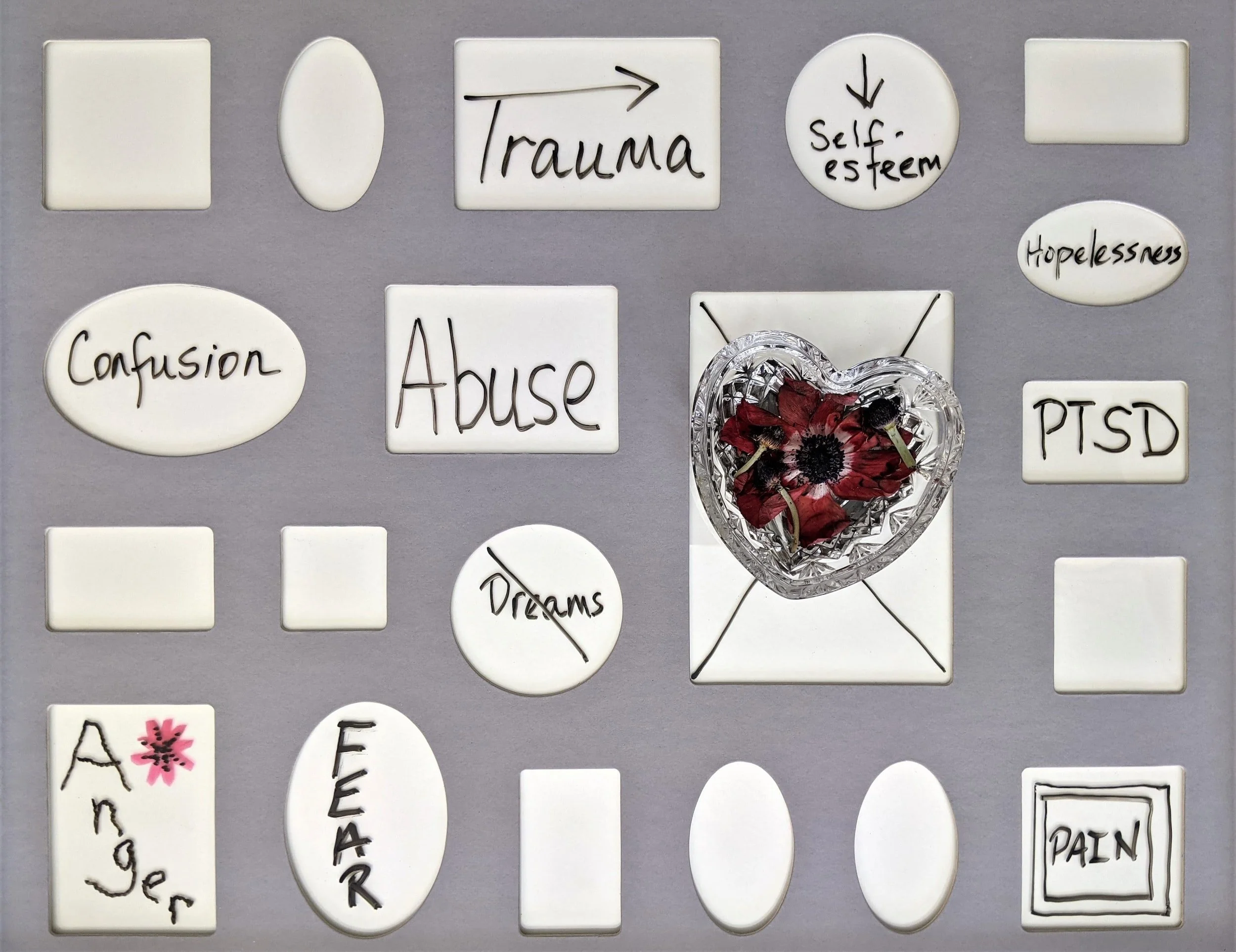
Trauma is an emotional response to a deeply distressing or disturbing event. It can manifest itself in physical responses such as increased heart rate, shallow breathing, sweating, and trembling. When one is exposed to trauma, the body’s fight-or-flight response is activated. This causes stress hormones to be released which taxes and floods the system. This overload on the system can lead to long-term health issues if left unresolved. When left with acute stress or PTSD, trauma can result in depression, anxiety, substance abuse, and a host of other mental health issues.

Trauma does not cause only psychological injury, but it changes the physiological structures of the brain. The neuroplasticity of the brain is a phenomenon that allows it to change and adapt over time through environmental exposure. So if one is exposed to a traumatic event the brain registers the response in a fight, flight, freeze, or fawn mode and the brain acts as a warning signal to the person it has impacted. The physiological effect can then show up as negative physical experiences, such as anxiety and depression. In an attempt to make sense of and resolve the uncomfortable response, the person may cope by going over and over the experience in their mind, looking for a resolution. Even though the person is trying to free themselves from the impact event the repetitive thinking may be keeping the individual unintentionally stuck, and the body then responds accordingly to not feeling safe and being dysregulated emotionally. ,

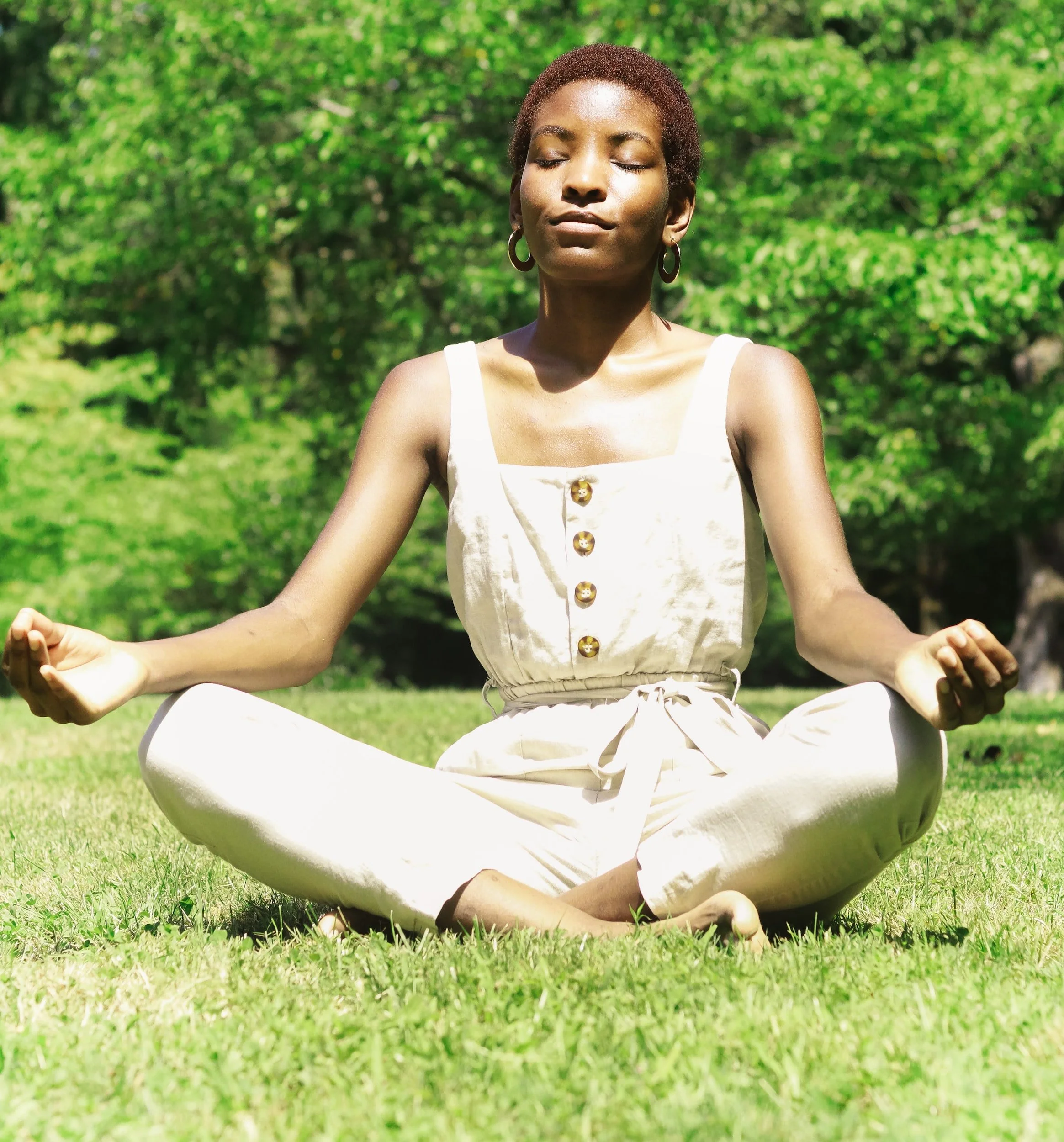
The healing power of Meditation: Meditation can be a powerful tool for coping with the symptoms of trauma and healing from its effects. Meditation is a practice that helps to bring awareness to the present moment, by focusing on your breath or repeating a mantra or visualization. This type of mindful awareness helps to create space between the body’s reactions and our thought patterns, allowing us to observe them without judgment. Meditation also helps to reduce stress hormones in the body while increasing endorphins which act as natural painkillers, helping you to relax. With regular practice of meditation, you can learn that you are not your negative thoughts and emotions. You can learn how to free yourself from the compulsive reactivity of trauma-related suffering by bringing in an alternative approach of compassion and curiosity to traumatic experiences. The space you create offers seeing alternative responses to calm the body, mind, and soul. With this in mind, the body can be positively changed if given the right tools and resources.

Meditation has been scientifically proven to provide relief from traumatic experiences. Studies show that regular practice leads to increased resilience, reduced stress levels, and improved overall mental health. Meditation has also been linked to improved concentration and cognitive functioning which can help those struggling with trauma better regulate their emotions. Meditation can reduce physical symptoms of trauma such as headaches, chest tightness, muscle tension, and sleeplessness.

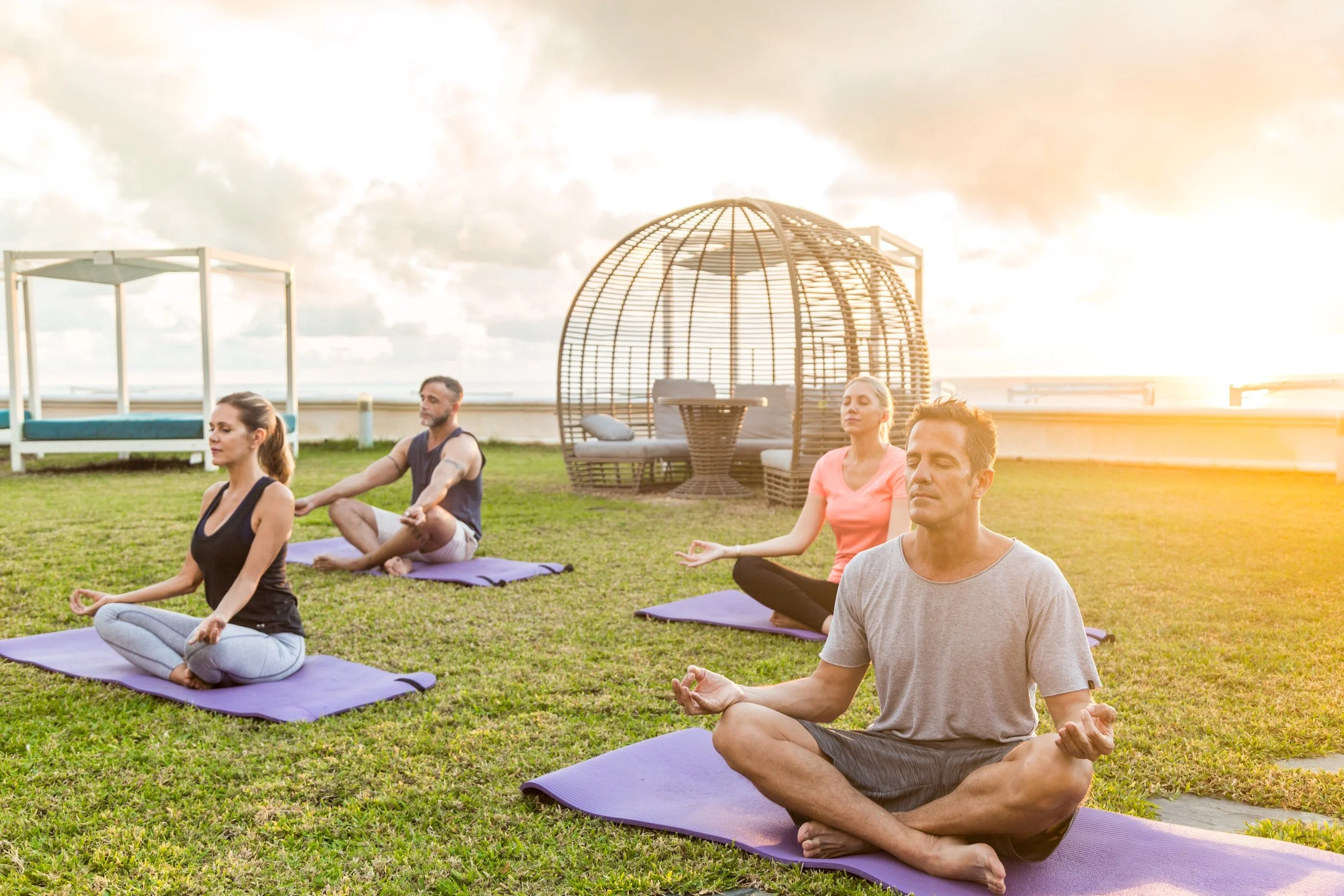
Start with a simple Mediation practice: Meditation is easy to learn and requires no prior knowledge or experience. Choose a comfortable room and be comfortably seated in an upright position that allows you to stay still and focused on your breath. As you are sitting quietly, focus your attention on your breath. As you breathe in from the nostrils, notice any discomforts and/or comforts that you are experiencing in your body. Just notice that you are not altering the discomforts or your breath. You are embracing it for what it is. Take a moment to notice how your body feels on the outside. Gently elongate the breath slowly filling up the upper chest, the lung area, and the abdominal area of the body, to full capacity. Hold for a few seconds, then, gently exhale and slowly breathe out from the nostrils to full capacity as you deflate the breath. As thoughts come into your mind simply acknowledge them without judgment, then return to the present moment of your breath. You may also want to try repeating positive affirmations such as “I am safe” or “I can heal from this experience”. Meditation is a practice, so allow yourself some grace during the process and remember that it will get easier with time and repetition.

Allow yourself to stay within your limit of tolerance when you begin. Everyone has a window of tolerance to work with. People who have trauma experiences may have a shorter tolerance capacity in the beginning. This does not make your response wrong. Simply allow yourself to be where you are and start small. You may only tolerate 5 minutes. Stay with that range for a few weeks and slowly increase your meditation time.

Mediation won't heal you overnight. It may offer a small portion of time, in the beginning, to give your mind and body a reprieve to rejuvenate and restore some needed energy, as the body and the mind are deeply ingrained with the trauma from the past. The willingness to stay with a committed practice will be fruitful to help the mind, body, and soul rewrite the calm positive responses that you desire. Meditation can foster your resilience, and increase mindfulness, and self-compassion which can ultimately lead to greater healing and well-being in your life. So give it a try and nourish your resilience. You are worth it.

Yoga for Trauma and Chronic Pain: How to reduce stress, tension, and negative emotions.

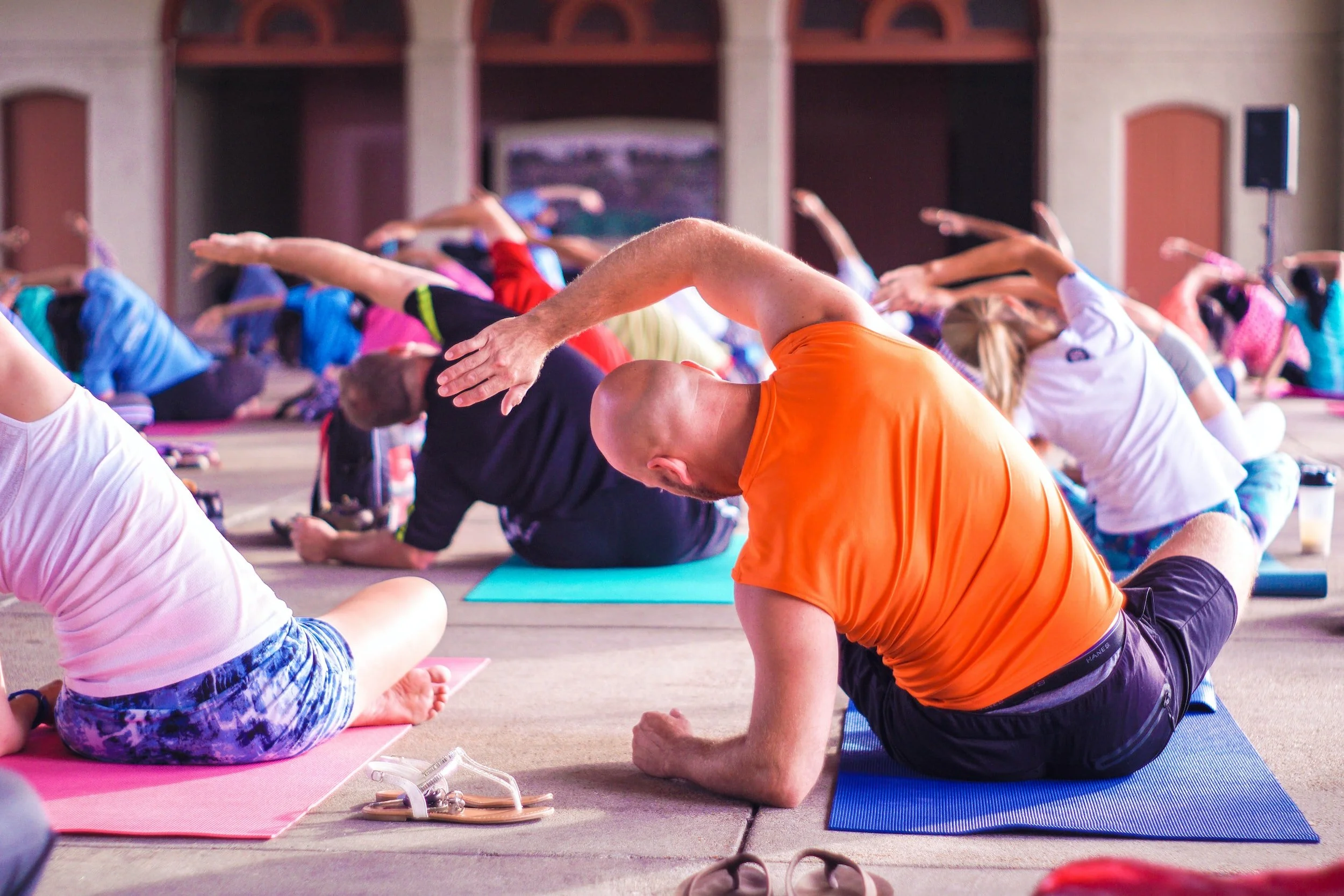
If you're like most people, you probably think of yoga as a way to get in shape or relax. Those are certainly valid reasons to practice yoga, however, there's much more to it than that. Yoga can be incredibly beneficial for people who suffer from trauma and chronic pain. In this blog post, we will discuss how yoga can help release emotions, stress, and tension that have been building up over time. We'll also provide some tips on how to get started!


How is yoga beneficial for trauma survivors:


If you're dealing with trauma or chronic pain, yoga can be a

very effective way to help you cope. Trauma often results in feelings of

disconnectedness. It is not uncommon for trauma survivors to not always know

what they are feeling in their bodies, or, know how to describe their emotions.

They often describe themselves as "feeling numb" or they tell you " I don't know

what I am feeling". People with trauma experiences' often feel a void within since they

are not sure of how or what they are feeling. Yoga is a great tool to help you to

reconnect with your body. It helps slow down the "uncomfortable", emotions that

one feels and begins to help you to refocus on other things instead of 'getting stuck in the

emotions. It helps you to get "out of your head". In addition, the effects of trauma can show

up in physical chronic pain and physical conditions. The constant hyper-arousal and

hyper-vigilance is the alert mode in the body that looks for bad things to come your way and to be ready to prepare you to "get safe". The constant results of being in this state; looking for the next bad thing to occur wear on the body and your emotional well-being. Anxiety, emotional upset, sleep disturbances, etc. are huge stressors on the body that hold the tension in the body. Through time, the tension and stressors wear on your physical well-being. Our bodies can only take so much wear and tear before deterioration occurs.

Chronic pain is incredibly frustrating. The low dull grinding pain is always running in the background and it is hard to ignore. Yoga helps you to relax and restore energy.

It helps to diminish inflammation in the body as the body, mind, and spirit relax. You learn to

control your breath and focus on being present in the moment. In both cases, yoga

helps to release emotions, stress, and tension that have been building up over

time. Yoga helps to ground and center you, which can be very helpful, especially

when you're feeling lost or disconnected. It increases your awareness

of what's going on in your body. Once you tap into that, you can work on

releasing built-up emotions, stress, and tension.


If you're ready to give yoga a try, here are some tips to get started:


- Choose a yoga class that feels right for you. There are

many different types of yoga classes out there, so it's important to find one

that meets your needs. If you're not sure where to start, ask a friend or yoga

teacher for recommendations. Often, restorative and gentle meditative type yoga

practices are great ways to get started. This is true especially if you are suffering

from chronic illness and chronic pain. A vigorous type of yoga may not be for you in

the beginning as one is trying to awaken the brain and learn how to feel connected.

The body and mind are in a lot of duress from the effects of trauma. The brain only

knows to focus on the discomfort and gets locked in the brain processing, leaving one

to be in difficult emotional and physical pain.


- Listen to your body. Yoga is not about pushing yourself to the limit. It's about listening!

So we learn to listen to our body and do what feels good for healing. If something doesn't

feel right, you don't do it. Be good to yourself. Take yoga at your own pace.

It is not a competition. It is ok to take breaks and/or modify poses as needed.

Note: You do not have to be flexible or an athlete to practice yoga.

This is a very personal activity.


- Breathe deeply. One of the most important things in yoga

is the breath. Make sure to breathe deep and slow throughout your practice. Breathe in

from the nostrils and out from the nostrils. Fill the upper chest, the lungs, and the abdomen

to full capacity and gently let out the breath through the nostrils, feeling the body relax and slowly getting you to being grounded. This will help you relax and let go of any tension you may be holding onto.


- Be patient with yourself. Learning how to cope with

trauma or chronic pain is a process. It takes time and there will be ups and

downs along the way. Know that yoga can be a helpful tool in your journey.


- Yoga can also help alleviate some of the symptoms of PTSD.

When the symptoms of PTSD are prominent, the brain is in trauma mode (fight, flight, freeze) and not at the moment. Yoga is one way to teach the brain that the trauma is over and not

occurring in the present time. It helps to ground you, which feels safe. By

teaching people how to control their breathing and heart rate, you will

feel calmer, more in control of their emotions, and increase your awareness of your body.

Yoga helps to improve sleep quality and reduce anxiety levels, both of which are often disturbed in people with PTSD. Of course, healing is a process. It decides to give it a try for some time before one may recognize results. I say, stay with it. In my opinion, give it at least 8 weeks to get yourself in the groove and begin to gain understanding. You are worth the effort.


If you're interested in trying yoga but don't know where to

start, there are many online resources or you could even ask your doctor for a

referral to a local yoga studio. If you have any questions or would like to share your own

experiences with yoga, please leave a comment below! I'd love to hear from

you.


Namaste.


References:

- Yoga for PTSD (n.d.). Retrieved from: - Bessel van der Kolk.

(2014). The Body Keeps the Score: brain, mind, and body in the healing of trauma.

(Trauma Center at Justice Resource Institute)

- How effective is yoga for treating PTSD? (2015, September 22).

Retrieved from: - McManus, E., & Jaster, D. L. (2016). A Systematic Review

of Yoga


So, what are you waiting for? Yoga may just be the key to

helping you release emotions, stress, and tension! Give it a try today!

Posted on November 6, 2022 and filed under Trauma.

Understanding Trauma Bonds

Trauma bonds can leave you feeling misunderstood and incapable of having healthy relationships. You don’t have to bear such relationship burdens forever. Take these steps to understand yourself and move forward.

Posted on January 13, 2020 and filed under Trauma.