When you “bond” with someone, you are creating an attachment and relationship with them.
The first people you would have bonded with were your parents. Ideally, that bond is based on love, understanding, and caring.
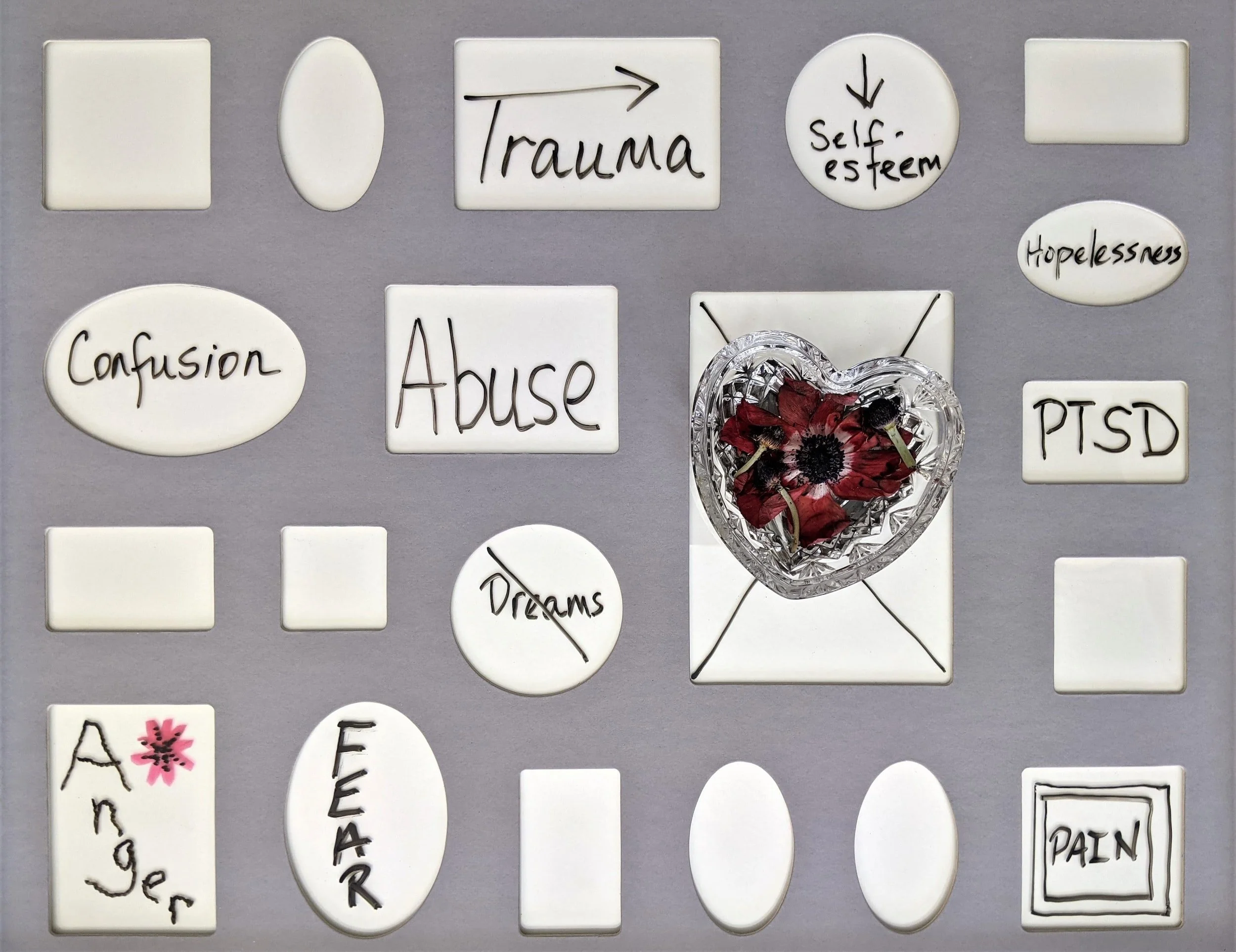
But what if it wasn’t? What if your childhood bond with your family was not based on nurturance, but trauma?
The result is what’s called a “trauma bond.”
It is those early experiences in childhood that influence how you form and maintain relationships as an adult.
Here’s what you need to know when understanding trauma bonds.
Trauma Bonds Start Early
Trauma bonding usually starts when you are a child. As mentioned above, it involves how you formed a connection with your parents. It’s tricky because most likely there were times when you experienced love from your parents or caregivers. But, on the other hand, if you also were subjected to physical abuse, verbal abuse, or both. Then you may have a skewed perception of what “love” actually means.
This creates conflict inside you. You love your parents, yet you also hate how they treated you. You still want their love. So, you do what you need to do to experience that love and not the abuse.
How Trauma Bonding Affects You as an Adult
Because your childhood experiences are so formative, you carry them with you into adulthood. They greatly impact how you perceive yourself. For example, you might not believe that you deserve to be loved. That’s because your parents instilled that belief in you as a child. Also, you get drawn into relationships that are really unhealthy. People who experienced trauma as a child often are drawn into abusive relationships as an adult. This perpetuates a cycle and belief that you are not deserving of healthy, loving relationships. Rather, you think you are getting what you deserve. The effect? Abuse that started in childhood continues into adulthood.
The Effects of Trauma Bonding in Relationships
The problem, of course, with trauma bonding is that it creates many key relationships are damaged. You believe that all your relationships should feel like they did when you were a child. This is not just an issue for you. It also causes other problems:
You become involved in a relationship where your partner is healthy and positive. Yet, you don’t know how to navigate this kind of relationship. This creates confusion and fosters disagreement with your partner. They don’t understand what’s going on. The result is that you self-sabotage your relationship.
Other people who are close to you in your life, such as siblings, other relatives, or friends, see that you struggle with relationships. Yet, you don’t listen to their advice, or they don’t completely understand what’s happening. This creates more strife in your life and tension.
The Long-Term Effects of Trauma Bonding
The result is that you don’t feel understood. Nor are you capable of forming healthy relationships. It might be easy to get down on yourself for this situation. But, it’s important for you to know that it’s not your fault! Rather, you are burdened by experiences that happened to you early on. Those were not your choices to make. However, you don’t have to bear such relationship burdens forever.
Getting Help Through Trauma Therapy
Trauma bonding can most certainly cause a lot of damage. The answer to this issue lies in participating in trauma therapy. That way you can have the relationships that you actually deserve.
To get the help you need, it’s necessary to see a therapist who understands trauma bonding. They can help you gain clarity and determine how to resolve such a bond. This will require digging into your past. However, the idea is not to create more problems. Rather, the goal is to finally close that chapter in your life.
Most of all, trauma therapy can help you learn what a healthy relationship looks and feels like.
Click to learn more about trauma counseling and treatment with Naomi Casement - LMSW.