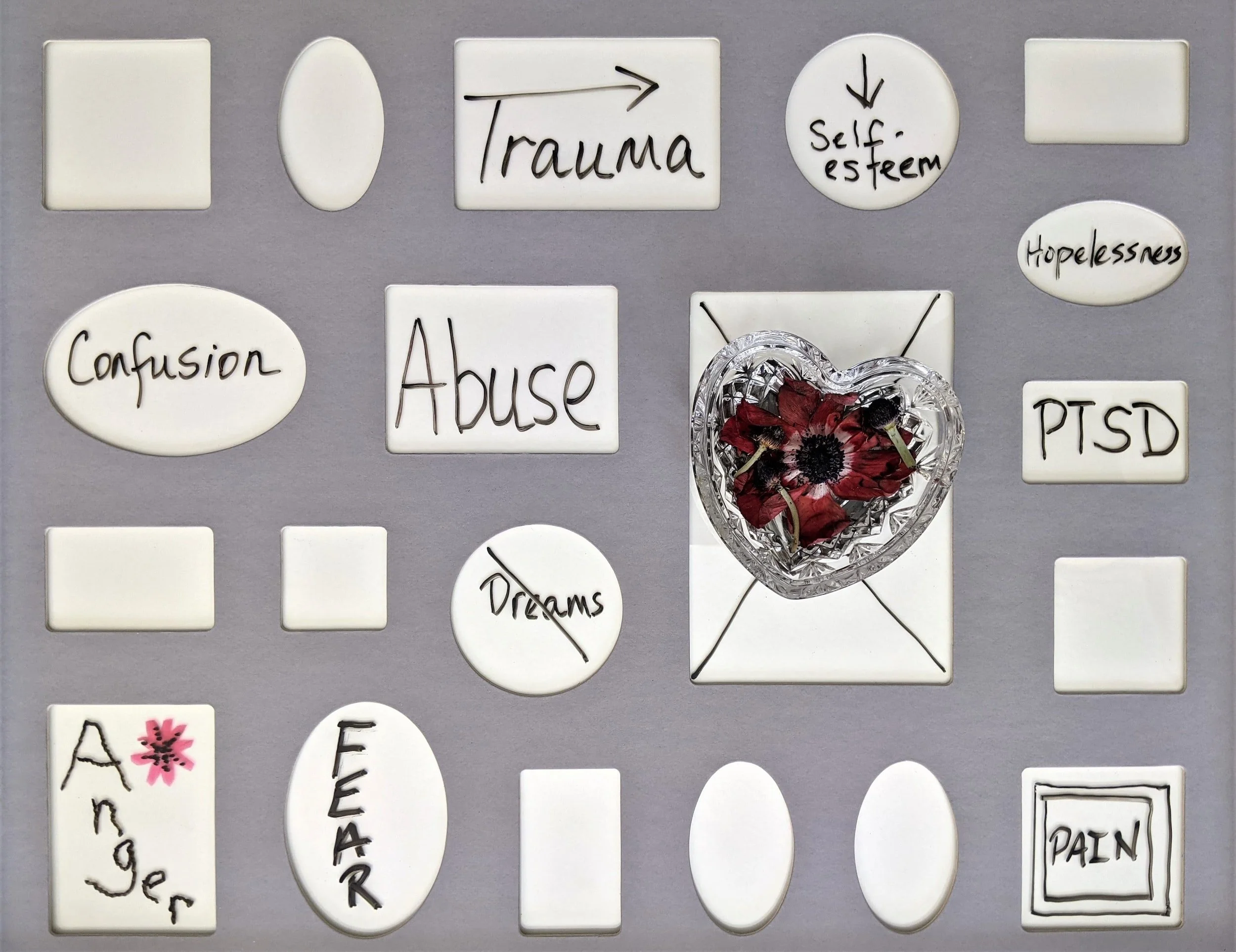
Reasons People Stay in Abusive Relationships

When it comes to the topic of abusive relationships, it can be hard for those who’ve never experienced one firsthand. People often tell those who are in difficult relationships, that they should leave and not take the demanding harmful hurtful behaviors that they are being subjected to. Often, the advice is prefaced with "I would never stay in a relationship where I was being treated like that". Noting that most of these people giving the advice are not saying this to be harmful, but, they believe that if they were in that circumstance they would leave in a heartbeat. It is always easier to imagine yourself taking control of situations that you would not put up with if you are not in that situation yourself. This is especially true when we hear heart-breaking stories from friends and family members whose partners refuse to leave even after repeated instances of mistreatment. Everyone has the right to a healthy relationship without any form of abuse. That is why understanding why someone in this situation doesn't simply walk away is so foreign to the psyche of many people. Some may not even be able to hold space for compassion due to the lack of understanding to move on. In this blog post, we'll discuss some common reasons why people stay in abusive relationships, as well as what steps can be taken if you or someone you know is currently living in such a dangerous situation.

False Believing – Victims often believe their abuser’s promises to change and reconcile

One of the most insidious aspects of abuse is the false promises abusers make to their victims. The abused partner just wants love and connection. The abuser often convinces the victim to stay, promising that they will change their behavior or that they can work out their relationship issues together. Unfortunately, these promises are rarely fulfilled and often lead to more abuse and trauma for the victim. It is important to recognize that an abuser's promises should never be taken at face value. Victims should always seek help and support from a trusted friend or professional. False beliefs can be dangerous and perpetuate abuse, so victims must take steps to protect themselves and prioritize their safety and well-being.

Fear of Judgement - Victims may fear they will be judged or blamed if they speak up about the abuse

Fear of judgment can be a common concern for victims of abuse. Often they hesitate or don't speak out about their experiences; as the pain and shame are too great. It is understandable for individuals to worry about potential scrutiny or blame they may face, but it is important to understand that abuse is never the victim's fault. It can be difficult to talk about personal trauma, but seeking help and support is crucial for healing and moving forward. Professionals and communities need to create safe and non-judgmental spaces for those who have experienced abuse to speak their truth and receive the necessary help and resources.

Lack of Resources – Victims may not have access to resources, such as financial support or shelters, which make it difficult to leave the abusive situation

For victims of domestic abuse, a lack of resources can be a major obstacle in their journey toward safety and freedom. Many victims may not have access to financial support or shelters, making it incredibly challenging for them to leave their abusive situations. This lack of resources can leave victims feeling trapped and helpless, unsure of where to turn for assistance. While resources do exist, not every victim can access them due to a variety of factors such as location, language barriers, or lack of knowledge about available services. We must continue to raise awareness about the need for resources and support systems for victims of domestic abuse, as well as find new ways to make these resources more accessible to those who need them.

Trauma Bonding - Victims may become emotionally attached to their abusers, making it difficult for them to leave

Trauma bonding is a complex and often misunderstood phenomenon that occurs frequently in abusive relationships. When an individual experiences trauma, they may begin to form a unique attachment to their abuser. This bond can be incredibly difficult to break, as the victim may have convinced themselves that the abuser is the only one who can understand and support them. Over time, this pattern of behavior reinforces the trauma bond, making it increasingly difficult for the victim to leave the abusive relationship. While it may be tempting to blame the victim for staying in the relationship, it is important to recognize the power dynamic and the psychological impact that trauma bonding can have on a person. Understanding trauma bonding is critical for providing support and care to individuals who are struggling to leave abusive relationships.

Cultural Norms – Some cultures normalize domestic violence and can create pressure for victims to stay in the abusive relationship

In some cultures, domestic violence is unfortunately normalized, which can make it incredibly difficult for victims to leave abusive relationships. Pressures to maintain one's reputation and uphold traditional values can often override an individual's safety and well-being. It's important for society as a whole to recognize and challenge these toxic cultural norms, and to provide support and resources for those who have been impacted by domestic violence. It's crucial that everyone feels empowered to seek safety and protection, regardless of cultural background or societal pressures.

Low Self-Esteem – Victims with low self-esteem may believe that they don’t deserve better and thus won’t leave the abusive situation

Victims of abuse may experience low self-esteem, which can have a significant impact on their ability to leave the abusive situation. When someone feels that they don't deserve better, it can be difficult to break free from the cycle of abuse. Low self-esteem can also lead to feelings of shame, guilt, and fear, which can further compound the problem. It's important for those experiencing abuse to know that they are not alone and that they do deserve to be treated with love and respect. Seeking support from a trusted friend, family member, or professional can be a helpful first step toward breaking free from abuse.

Unfortunately, there are myriad reasons that people stay in abusive relationships. False Believing, Fear of Judgement, Lack of Resources, Trauma Bonding, Cultural Norms, and Low Self-Esteem are just a few of the common explanations for why victims remain in their difficult situations. It is crucial to understand these reasons so that we can better support those who have been affected by abuse. We must continue working to create an empathic society that values its most vulnerable members and helps them build the self-esteem and strength they need to find safety. Together we all must work towards ending dangerous cycles of violence and creating an environment where individuals can thrive without fear.


Am I being gaslighted? What is gaslighting and what tips on how to cope

Gaslighting is a form of psychological manipulation that can have serious consequences on your mental and emotional health. It's important to be aware of the signs, so you can take steps to protect yourself from its effects.

We hear a lot about gaslighting in relationships these days. I am delighted that we are now able to have information available for conversation and awareness to help us cope better and empower ourselves in negative situations. This information helps all of us on our life's journey, to continue to do all we can toward positive interpersonal growth and self-care. The more we know, the better we can arm ourselves from individuals who emotionally struggle with power and control behaviors over others for their gain. These gaslighting behaviors can be forthright and intense to very subtle behaviors that are hard to notice. It is one thing if you work with or know someone who lightly is a bit controlling in situations but never takes it further. They may just be someone with a strong personality and opinion. Most people can interact and accept those with a strong demeanor as they are not necessarily placing their needs and wants onto others nor are they being abusive and manipulative toward others. However, to be gaslit by the significant person in your life, the person you choose to be more open, intimate, and vulnerable with, gaslighting can have divesting and deep consequential emotional effects.

How did the term gaslighting get started? It was derived from the 1938 play Gas Light. The main female character, who is gaslighted by her husband so he can cover up some of his own bad behavior, starts to doubt her memory and self-perception. This gaslighting term has been used in psychological terms since the 1940s and is now widely known today.

What is gaslighting? Gaslighting is a form of psychological manipulation that occurs when someone tries to control or dominate another person by making them doubt their reality. It works by using a combination of deception, denial, and false statements to make the target feel confused and uncertain about their beliefs, values, and experiences.

It describes a form of mental abuse that causes someone to question their reality and memories through manipulation tactics like constant criticism, contradictions, or accusations. Other forms of gaslighting include withholding information, withholding affection, playing mind games, and projecting negative traits onto their victims.

When gaslighting happens in relationships, it can be particularly damaging because it erodes your sense of self-worth. Signs of gaslighting include: questioning your memory; telling you what you "really" want or think; denying something they previously said or did; belittling your thoughts, feelings, and experiences; making excuses for their behavior; accusing you of being “crazy” or “too sensitive”.

Signs of gaslighting include lying, making excuses, denying the truth, shifting blame, and projecting guilt onto the victim. Gaslighting can leave victims feeling confused, anxious, isolated, and insecure—all of which can lead to severe damage to their self-esteem.

Why can't I see I am being gaslighted? It's important to remember that gaslighting is a form of manipulation, and it can be hard to spot. This is because people who gas lite are usually very convincing in the way they distort reality. They may also try to isolate their victims from friends and family, further restricting their access to support and understanding. When someone is subjected to derogatory, negative comments from someone significant in their lives slowly begin to take in the negative energy and messages without realizing that it wears on the soul and belief about oneself.

How does gaslighting affect your mental health? Being gaslit is more than feeling uncomfortable and confused. It is a direct intense negative energy coming at you that causes confusion and deep hurt. It often leads to low self-esteem, depression, anxiety, traumatic stress disorder (PTSD), substance abuse issues, and suicidal thoughts or behaviors if someone is exposed to this treatment over and over again. It is important to recognize gaslighting as mental and emotional abuse so that you can take steps to protect yourself from further harm. Other effects of gaslighting are feeling trapped in the situation, feeling a deep sense of pain or sadness, and feeling a lack of control.

What are some ways of coping with the significant person that gaslights you? One way is to connect with supportive people who will listen and understand your experience without judgment. Talking to a therapist or counselor can also help you process your feelings and create a safe space for healing. Additionally, it’s important to practice self-care by engaging in activities like yoga, meditation, journaling, or anything else that brings you joy and helps ground you in the present moment.

How can I respond and cope with gaslighting? Although gaslighting can take an emotional toll on victims, there are steps you can take to protect yourself from its effects. It is important to start recognizing that gaslighting is happening and gaining an understanding of how it works. Educating yourself on the subject of gaslighting so begin to recognize the behaviors. It is difficult to recognize what is happening when someone is involved in this situation daily or often. Unfortunately, humans build a tolerance to negative situations to cope, at the expense of their health and well-being. This is a response to survival.

Another way to cope with gaslighting is to build self-support and self-recognition. Show yourself strength, love, and respect despite what you are experiencing. Celebrate your successes no matter how small they may be. These are the steps toward self-recognition and empowerment.

If gaslighting is happening in a relationship, it may be helpful to explore boundaries and communication techniques with a therapist if possible.

Finally, if gaslighting is taking place at work or in an academic setting, it can be beneficial to reach out for help from human resources departments/faculty advisors who can offer support as well as suggest strategies for dealing with gaslighting behaviors. The most important thing is to remember that gaslighting is never okay and you deserve better.

If you suspect that you're being gaslighted, it's important to have strong coping mechanisms in place. Taking care of yourself should be your top priority. Don't be afraid to reach out for help if needed. You can call a therapist to get started on your journey to self-empowerment because you are important.

The Power of Meditation to help soothe Trauma Responses.


What is trauma and how it affects the body:
Trauma is an emotional response to a deeply distressing or disturbing event. It can manifest itself in physical responses such as increased heart rate, shallow breathing, sweating, and trembling. When one is exposed to trauma, the body’s fight-or-flight response is activated. This causes stress hormones to be released which taxes and floods the system. This overload on the system can lead to long-term health issues if left unresolved. When left with acute stress or PTSD, trauma can result in depression, anxiety, substance abuse, and a host of other mental health issues.

Trauma does not cause only psychological injury, but it changes the physiological structures of the brain. The neuroplasticity of the brain is a phenomenon that allows it to change and adapt over time through environmental exposure. So if one is exposed to a traumatic event the brain registers the response in a fight, flight, freeze, or fawn mode and the brain acts as a warning signal to the person it has impacted. The physiological effect can then show up as negative physical experiences, such as anxiety and depression. In an attempt to make sense of and resolve the uncomfortable response, the person may cope by going over and over the experience in their mind, looking for a resolution. Even though the person is trying to free themselves from the impact event the repetitive thinking may be keeping the individual unintentionally stuck, and the body then responds accordingly to not feeling safe and being dysregulated emotionally. ,

The healing power of Meditation: Meditation can be a powerful tool for coping with the symptoms of trauma and healing from its effects. Meditation is a practice that helps to bring awareness to the present moment, by focusing on your breath or repeating a mantra or visualization. This type of mindful awareness helps to create space between the body’s reactions and our thought patterns, allowing us to observe them without judgment. Meditation also helps to reduce stress hormones in the body while increasing endorphins which act as natural painkillers, helping you to relax. With regular practice of meditation, you can learn that you are not your negative thoughts and emotions. You can learn how to free yourself from the compulsive reactivity of trauma-related suffering by bringing in an alternative approach of compassion and curiosity to traumatic experiences. The space you create offers seeing alternative responses to calm the body, mind, and soul. With this in mind, the body can be positively changed if given the right tools and resources.

Meditation has been scientifically proven to provide relief from traumatic experiences. Studies show that regular practice leads to increased resilience, reduced stress levels, and improved overall mental health. Meditation has also been linked to improved concentration and cognitive functioning which can help those struggling with trauma better regulate their emotions. Meditation can reduce physical symptoms of trauma such as headaches, chest tightness, muscle tension, and sleeplessness.

Start with a simple Mediation practice: Meditation is easy to learn and requires no prior knowledge or experience. Choose a comfortable room and be comfortably seated in an upright position that allows you to stay still and focused on your breath. As you are sitting quietly, focus your attention on your breath. As you breathe in from the nostrils, notice any discomforts and/or comforts that you are experiencing in your body. Just notice that you are not altering the discomforts or your breath. You are embracing it for what it is. Take a moment to notice how your body feels on the outside. Gently elongate the breath slowly filling up the upper chest, the lung area, and the abdominal area of the body, to full capacity. Hold for a few seconds, then, gently exhale and slowly breathe out from the nostrils to full capacity as you deflate the breath. As thoughts come into your mind simply acknowledge them without judgment, then return to the present moment of your breath. You may also want to try repeating positive affirmations such as “I am safe” or “I can heal from this experience”. Meditation is a practice, so allow yourself some grace during the process and remember that it will get easier with time and repetition.

Allow yourself to stay within your limit of tolerance when you begin. Everyone has a window of tolerance to work with. People who have trauma experiences may have a shorter tolerance capacity in the beginning. This does not make your response wrong. Simply allow yourself to be where you are and start small. You may only tolerate 5 minutes. Stay with that range for a few weeks and slowly increase your meditation time.

Mediation won't heal you overnight. It may offer a small portion of time, in the beginning, to give your mind and body a reprieve to rejuvenate and restore some needed energy, as the body and the mind are deeply ingrained with the trauma from the past. The willingness to stay with a committed practice will be fruitful to help the mind, body, and soul rewrite the calm positive responses that you desire. Meditation can foster your resilience, and increase mindfulness, and self-compassion which can ultimately lead to greater healing and well-being in your life. So give it a try and nourish your resilience. You are worth it.

A time to begin a gratitude practice in the New Year: How you can customize a daily gratitude practice for a positive gratitude experience.

Happy New Year! This is the time of year that always gives us space for a brief mental pause and to start anew. January 1st is our customary reset button to openly or silently set resolutions to determine the course of action or direction to accomplish our envisioned goals. As industrious human beings, we want to feel hope that we can accomplish our goals with ambitious energy and gusto.

I know that as people we get discouraged and may go down the rabbit hole thinking, "what is the point, people don't stick with things anyway". I want to pose a different perspective. What if we re-arrange our approach to some things so we can fulfill those dreams and goals, and not feel that the task is too overwhelming? We don't have to be left with that feeling of defeat. What if we could use the feeling of defeat to our benefit? What if that part of us is there to help us, not hinder us? The feeling of defeat alone deeply wares on us. That defeated part of us internally speaks to us with its loud internal critical voice telling us that we failed again. That defeated voice works with the part of us that creates a negative belief that brings our energy down and we stop thinking of all of the positive things we have accomplished both big and small. It chips away at our confidence, leaving us to believe that we are not good enough. Here is the point we usually feel overwhelmed and may give up.

Our belief constructs that we are failures and defeated again do not make it true. It is just that the part of us that carries this belief construct tries to motivate us and alert us, perhaps trying to motivate us to stay the course or get back on the path. That might be why the voices in our heads are so loud and annoying at times. It's trying to gain our attention to take action. Those parts of us may be trying to help us stay the course and be a reminder for us. We are truly not defeated. We run into obstacles all the time. We can change our mindset to not be so hard on ourselves. A little bit of help or suggested ways might get you to think of ways you can move forward again feeling all the goodness that comes with the process even when you don't feel like it.

I believe most people are not lazy and want to accomplish goals for themselves. Human beings are naturally industrious. Perhaps, many people may never have been taught how to look at their surroundings in a way that helps them set the course. People want to be successful and accomplish things for themselves. I do not remember ever having a lesson in school about how to be successful or how to set realistic goals and ways to achieve those goals. Maybe you have, but I can certainly tell you that I did not have that lesson. Life is very hard with all kinds of obstacles that we have to navigate through daily. It can be overwhelming to the point that sometimes you just don't know what to do or where to start to make their intentions stick. There is so much negative chatter out there that fosters negative beliefs as real when they are not. People may just need some help on how to slow down to get there. So let's look at how we can use one small daily gesture and make it into a daily routine that yields huge positive results in the long run. Cultivating gratitude. We begin by taking small steps so you can start realizing some victories that can excite you, keep you focused, and be your daily reminder and grounding device that keeps you on track. You do not have to feel overwhelmed with finding the time to fit in one more thing. It is taking a few moments to bring yourself to live in the present as nothing else exists except the moment.

Let me suggest that we start with gratitude. What if we could embrace this definition and begin to focus on how to look for and how to open oneself up to feel gratitude daily? Let's define gratitude. Gratitude is the feeling of being thankful and appreciative for all that we receive. It’s a powerful emotion that can have far-reaching positive effects on our well-being. Studies show gratitude can increase overall happiness, and energy levels, and improve physical health.

What is not understood about gratitude by most people? One thing that is often not understood about gratitude is that it can be practiced daily. Just like any other habit, gratitude must be cultivated and reinforced regularly to reap the benefits. It does not have to be a practice that takes up all of your time.

How can gratitude be practiced daily?

There are many ways to practice gratitude each day. Some of the most popular techniques include keeping a gratitude journal, writing thank you notes or letters, expressing gratitude through affirmations or prayers, meditating on gratitude, and taking time to appreciate small moments throughout the day. I like to begin my day with a quick and soft meditation to set a positive grounding for the day. I sit quietly and do some deep breathing 8 - 10 times to settle in. Then I envision 2 - 3 things I am grateful for. It can be small simple things, such as having the opportunity to be able to have a wonderful breakfast this morning, or, I feel gratitude for being able to interact with interesting people, and having access to clean water. Each of these methods can help remind us why we should be thankful for our lives, rather than what is going wrong or what we don't have.

By making gratitude a part of our daily routine, we can create more meaningful connections in our lives and improve our overall well-being. Gratitude creates space for positive energy to flow in and around us. It does not deplete us where negative energy eventually does. Here are some of the Having gratitude as a daily practice is an incredibly powerful tool. Here are some ways that gratitude can flex its positive muscles and give you benefits in return:

1). Gratitude can help to reduce stress and anxiety. By keeping us grounded and present at the moment to what is important and real. It keeps us connected to the good things in our lives instead of worrying about all the negative things around us.

2). Gratitude can help shift our mindset from a scarcity mentality to one of abundance; meaning that we become more aware of how much we have on all levels as opposed to what we don't have.

3). Gratitude is also great for strengthening relationships. It encourages us to take time and recognize the people in our lives who make us feel loved and supported. Expressing gratitude can help create a better bond with those around us, allowing for deeper connections to form. Gratitude also fosters empathy, kindness, and hope - qualities that are essential for strong mental health and connecting to others.

4). Finally, gratitude helps increase overall happiness by helping us stay focused on the positive aspects of our lives more, rather than wallowing in the negative ones. The energy stays positive and does not deplete our reserves. Gratitude keeps us in a state of gratitude, where we can appreciate the things that bring us joy even on difficult days. It keeps our energy reservoir full.

When it comes to gratitude practices, experts recommend dedicating just a few minutes each day to consciously recognize the things you're grateful for in your life. This could mean taking ten minutes of quiet time to simply reflect or writing down those things in a gratitude journal as a few moments to reset your brain to focus on the goodness you have and help you to begin to restore positive energy.

So make sure to take time each day to recognize the good things you have in your life - because gratitude is fundamental to healthy mental health. Gratitude can be a positive infectious behavior to spread to others. It can calm that mind and feed the soul.

In conclusion, gratitude is essential for mental health and well-being; making it a daily practice helps us focus on the positives and remember what we have rather than what we don’t. It also spreads positive vibes that can benefit our relationships with others! So let's get started!


What does Forgiveness Mean when You've Been Betrayed?

Betrayal is one of the most painful experiences a person can go through. When you have been betrayed by someone you love. It feels as though your world has been turned upside down. You may feel like you can't trust anyone again, as you feel so low and think that life is not worth living. It is a natural response to feel these things after being wounded in this way, but it is important to find a way to move on. Forgiveness is one of the key steps in moving on from a betrayal. In this blog post, we will explore what forgiveness means when you have been hurt by someone you love.

When you are betrayed by someone it is not uncommon for the betrayed to experience a PTSD response. You are immediately faced with a "fight, flight, freeze" result. You did not expect a difficult situation to be right in front of you. Most often people feel as though they were "blindsided" and feel thrown off their axis. When the betrayer is close to you the experience may feel like a deeper wound. Often, people begin to internally question themselves feeling lost in "what did I do to bring this on", that self-critical dialogue that may begin inside. You are looking for solutions and answers so you doubt what you know and question what you did wrong, taking all of the situations. Or internally questioning the other person about what happened that you now do not measure up in some confusing way. It is not uncommon for people to get stuck in the wound and feel that they have no way out. However, remember that you do. Let's take a look at what forgiveness is.

What exactly is forgiveness?

When you feel deeply wounded, it can be difficult to forgive someone who has betrayed you. Forgiveness can bring a sense of peace and closure. You are not forgiving someone for their benefit, but rather for your emotional well-being and healing process

Forgiveness is not about forgetting what happened or excusing the betrayer. It is also not about "letting them off the hook" for their actions. Forgiveness means letting go of anger and resentment that you hold towards the person who hurt you, so you can free yourself from the painful emotional burden that you are carrying and move on with your life. It is not condoning their behavior or ignoring injustice. It is all about the process of finding your way to heal and let go of the deep wounding hurt.

The forgiveness process is not an immediate one. It takes time and can come with varying degrees of discomfort and emotional difficulty; especially when we are betrayed by someone close to us. More often, the closer the person is to us, the deeper one feels the wound. You must allow yourself to work through the pain and grief so you can come to an internal place where the betrayed act does not rule and overwhelm you. Often, the betrayal act triggers old wounds inside that can easily stop us in our tracks. (The fight, flight, FREEZE response). The emotional pain feels so great and overwhelming that one minute you feel "ok" and the next minute your emotions are all over the place and you feel out of control inside yourself. The "roller coaster" cascade of emotions keeps you from being able to feel like you have an emotionally safe steady platform and the space to make decisions on how to proceed.

One way to begin the forgiveness process is by understanding why the betrayal happened. This does not excuse the betrayer's actions, but it can give you insight and help with finding forgiveness within you. It may have been a result of their wounds or distorted thinking. It is crucial to understand that forgiveness does not mean you must continue the relationship with the person who betrayed you; boundaries may need to be set for you to heal and move forward in your life.

It is also important to remember that forgiveness is a gift that we give to ourselves, not just to the person who hurt us. Holding onto anger and resentment towards them only keeps us trapped in pain and bitterness. Forgiveness allows us to let go of those negative emotions creating internal space to find peace within ourselves.

The process of forgiveness is a difficult one and may take some time before you are ready to forgive. That does not mean that your process is wrong if you are feeling it is not immediate as this is a personal process. You are making this a healing commitment for your benefit as you are figuring out and mapping out your journey. Yes, there is very deep soul-searching in this process. And yes, indeed, holding onto anger and resentment will only keep you stuck in the past, but you need to allow time for very deep healing. Forgiving those who have hurt you will allow you to move on with your life and find peace once again. There are no set rules on how to begin this process and how long it should take.

How do you begin the process when you feel so bad?

-One way to begin your healing process is through journaling. Write down your thoughts and feelings, or even try writing a letter to the person(s) who betrayed you (even if you do not plan on sending it). This can help release some of the hurt, creating inner space to begin the forgiveness process.

-Take time throughout your day to have peaceful moments of self-care. This may include meditation, exercise, or finding a new hobby that brings you joy. You are allowing yourself to take "head breaks".

-Seek support from trusted friends and family members, or even therapy if needed. It is important to have a strong support system during the forgiveness process. If you feel that you are unable to talk with your friends then seek professional help from the therapist. A therapist can assist you in navigating the painful journey to healing.

-If you have been betrayed, know that you are not alone. Others have been through the same thing, and there is help available. Seek a therapist or counselor who can assist you in working through your pain. Today there are community support groups, both online or face to face, with others who have experienced similar situations. Being with others who have been through similar experiences has proved to be very healing as these groups support one another and share ideas leading to knowing that hope and possibility are there again. With time and support, you will be able to forgive those who have hurt you and start living a life free of fear and anger. With support and time, you will be able to forgive those who have hurt you and you can start living a life free of fear, anger, and anxiety.

Remember: forgiveness is for YOU, not for the person who betrayed you. Allow yourself time to heal and work towards forgiveness so that you can find peace within yourself once again. Good luck on your journey toward forgiveness, and remember that healing takes time. You will find self-acceptance and love. You are worth it for new living experiences in the future.

You got this!

Posted on November 6, 2022 .

Yoga for Trauma and Chronic Pain: How to reduce stress, tension, and negative emotions.

If you're like most people, you probably think of yoga as a way to get in shape or relax. Those are certainly valid reasons to practice yoga, however, there's much more to it than that. Yoga can be incredibly beneficial for people who suffer from trauma and chronic pain. In this blog post, we will discuss how yoga can help release emotions, stress, and tension that have been building up over time. We'll also provide some tips on how to get started!


How is yoga beneficial for trauma survivors:


If you're dealing with trauma or chronic pain, yoga can be a

very effective way to help you cope. Trauma often results in feelings of

disconnectedness. It is not uncommon for trauma survivors to not always know

what they are feeling in their bodies, or, know how to describe their emotions.

They often describe themselves as "feeling numb" or they tell you " I don't know

what I am feeling". People with trauma experiences' often feel a void within since they

are not sure of how or what they are feeling. Yoga is a great tool to help you to

reconnect with your body. It helps slow down the "uncomfortable", emotions that

one feels and begins to help you to refocus on other things instead of 'getting stuck in the

emotions. It helps you to get "out of your head". In addition, the effects of trauma can show

up in physical chronic pain and physical conditions. The constant hyper-arousal and

hyper-vigilance is the alert mode in the body that looks for bad things to come your way and to be ready to prepare you to "get safe". The constant results of being in this state; looking for the next bad thing to occur wear on the body and your emotional well-being. Anxiety, emotional upset, sleep disturbances, etc. are huge stressors on the body that hold the tension in the body. Through time, the tension and stressors wear on your physical well-being. Our bodies can only take so much wear and tear before deterioration occurs.

Chronic pain is incredibly frustrating. The low dull grinding pain is always running in the background and it is hard to ignore. Yoga helps you to relax and restore energy.

It helps to diminish inflammation in the body as the body, mind, and spirit relax. You learn to

control your breath and focus on being present in the moment. In both cases, yoga

helps to release emotions, stress, and tension that have been building up over

time. Yoga helps to ground and center you, which can be very helpful, especially

when you're feeling lost or disconnected. It increases your awareness

of what's going on in your body. Once you tap into that, you can work on

releasing built-up emotions, stress, and tension.


If you're ready to give yoga a try, here are some tips to get started:


- Choose a yoga class that feels right for you. There are

many different types of yoga classes out there, so it's important to find one

that meets your needs. If you're not sure where to start, ask a friend or yoga

teacher for recommendations. Often, restorative and gentle meditative type yoga

practices are great ways to get started. This is true especially if you are suffering

from chronic illness and chronic pain. A vigorous type of yoga may not be for you in

the beginning as one is trying to awaken the brain and learn how to feel connected.

The body and mind are in a lot of duress from the effects of trauma. The brain only

knows to focus on the discomfort and gets locked in the brain processing, leaving one

to be in difficult emotional and physical pain.


- Listen to your body. Yoga is not about pushing yourself to the limit. It's about listening!

So we learn to listen to our body and do what feels good for healing. If something doesn't

feel right, you don't do it. Be good to yourself. Take yoga at your own pace.

It is not a competition. It is ok to take breaks and/or modify poses as needed.

Note: You do not have to be flexible or an athlete to practice yoga.

This is a very personal activity.


- Breathe deeply. One of the most important things in yoga

is the breath. Make sure to breathe deep and slow throughout your practice. Breathe in

from the nostrils and out from the nostrils. Fill the upper chest, the lungs, and the abdomen

to full capacity and gently let out the breath through the nostrils, feeling the body relax and slowly getting you to being grounded. This will help you relax and let go of any tension you may be holding onto.


- Be patient with yourself. Learning how to cope with

trauma or chronic pain is a process. It takes time and there will be ups and

downs along the way. Know that yoga can be a helpful tool in your journey.


- Yoga can also help alleviate some of the symptoms of PTSD.

When the symptoms of PTSD are prominent, the brain is in trauma mode (fight, flight, freeze) and not at the moment. Yoga is one way to teach the brain that the trauma is over and not

occurring in the present time. It helps to ground you, which feels safe. By

teaching people how to control their breathing and heart rate, you will

feel calmer, more in control of their emotions, and increase your awareness of your body.

Yoga helps to improve sleep quality and reduce anxiety levels, both of which are often disturbed in people with PTSD. Of course, healing is a process. It decides to give it a try for some time before one may recognize results. I say, stay with it. In my opinion, give it at least 8 weeks to get yourself in the groove and begin to gain understanding. You are worth the effort.


If you're interested in trying yoga but don't know where to

start, there are many online resources or you could even ask your doctor for a

referral to a local yoga studio. If you have any questions or would like to share your own

experiences with yoga, please leave a comment below! I'd love to hear from

you.


Namaste.


References:

- Yoga for PTSD (n.d.). Retrieved from: - Bessel van der Kolk.

(2014). The Body Keeps the Score: brain, mind, and body in the healing of trauma.

(Trauma Center at Justice Resource Institute)

- How effective is yoga for treating PTSD? (2015, September 22).

Retrieved from: - McManus, E., & Jaster, D. L. (2016). A Systematic Review

of Yoga


So, what are you waiting for? Yoga may just be the key to

helping you release emotions, stress, and tension! Give it a try today!

Posted on November 6, 2022 and filed under Trauma.