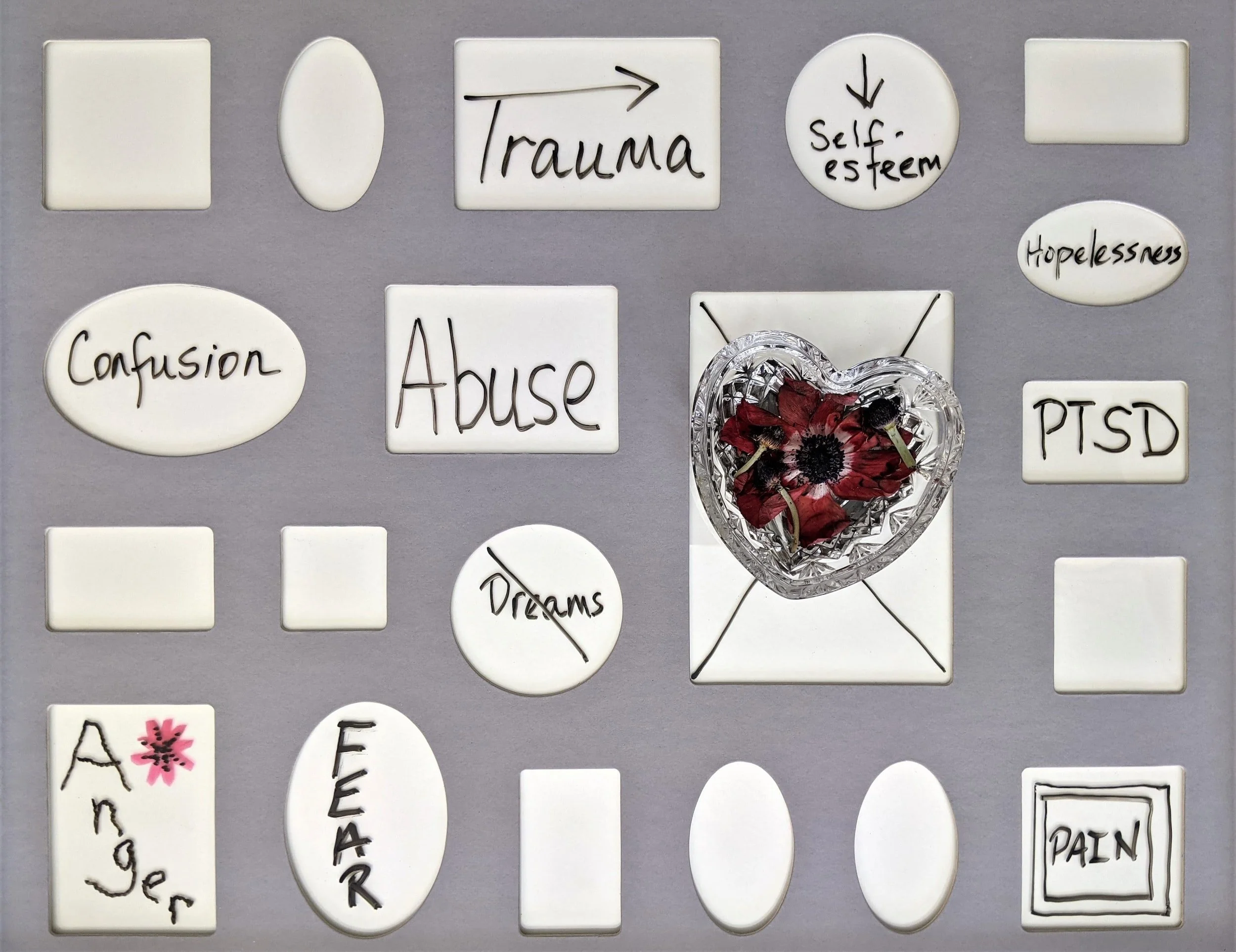

There may be a certain point in time when you experience chronic pain. A particular part of your body will bring you so much discomfort that life is never the same. The question is, where does this pain come from?
It's important to acknowledge that the mind and the body have a deep connection to each other. If your brain is in distress, your body will respond in painful ways.
Internal Family Systems is a form of therapy that can heal and bring balance to our minds. Trying this method of therapy may also help ease trauma-induced pain and bring body and mind together in harmony.
Chronic Pain and Trauma
Chronic pain can be the result of a traumatic event like an accident, abuse, or disaster. The depression that stems from trauma can lead to physical pain in places like your lower back or neck.
When you are re-experiencing trauma, your body is stuck in a fight-or-flight state. This regular stress response can cause and worsen chronic pain.
The U.S. Department of Veteran Affairs says that 15%-35% of patients with chronic pain also have PTSD. This pain can serve as a reminder of the traumatic incident, making trauma symptoms worse.
The Meaning of Internal Family Systems (IFS)
When trauma occurs, it is like having multiple sub-personalities at war with each other. Anger, shame, inner critics, inner child, and more bring about painful feelings.
Internal Family Systems (IFS) teaches you that we do not have any bad parts. Circumstances just put our good parts into bad roles.
IFS will help you access Self in order for all of your parts to be at peace with each other. The aim is to eventually walk away from therapy feeling like you can handle your anxiety, improve your relationships, and recover from trauma.
The Self
The first step to begin the healing process is discovering the Self.
The Self is the pure essence of who someone is that cannot be broken or corrupted. Self-led recovery brings about a balanced system with all of your parts in harmony with each other.
When you are in the Self, you should be able to feel calm, confident, compassionate, and other positive emotions. Being in the Self can help you communicate with your parts.
Parts
Parts are considered sub-personalities or families with their own beliefs, thoughts, or feelings. When a part does not trust the Self or feels threatened, they will makes attempts to protect the system.
If a part is stuck in time from trauma or disagrees with other parts, they can show extreme behaviors or are out of touch with reality. When the parts trust the Self, they will feel understood and appreciated enough to take on new positive roles.
Exiles, Managers, and Firefighters
One of the parts categories is "exiles" which carry your extreme memories and feelings. They are the youngest parts of the system, it often holds memories of abuse and neglect. After experiencing powerful trauma, the other parts lock these memories away to protect the system from being overwhelmed.
The managers are responsible for keeping the system stable with preparation for threats from exiles. Managers can take the form of a critical parent or boss. They need to control the system to avoid the exiled parts coming into awareness.
The firefighters take action when the exiled thoughts break into the managers' defenses. Their job is to stop feeling the pain the exiles carry. This can start with less intense methods like overworking to escalating methods like suicide attempts.
The Unburdening Process
IFS ends with the unburdening process of healing your wounded parts. After listening to the exile's experience, the exile tells the Self what it needs to heal. Then, you do what the part needs.
When the part is ready, the Self releases the painful memories using imagery. Then, you are ready to find a new role for the part in the present. The protector parts meet with the healed parts to find a balance with one another.
By living a Self-led life, you will learn to love yourself with a new positive attitude!
Are you interested in learning more? Please read about trauma therapy and let's meet soon for a consultation.