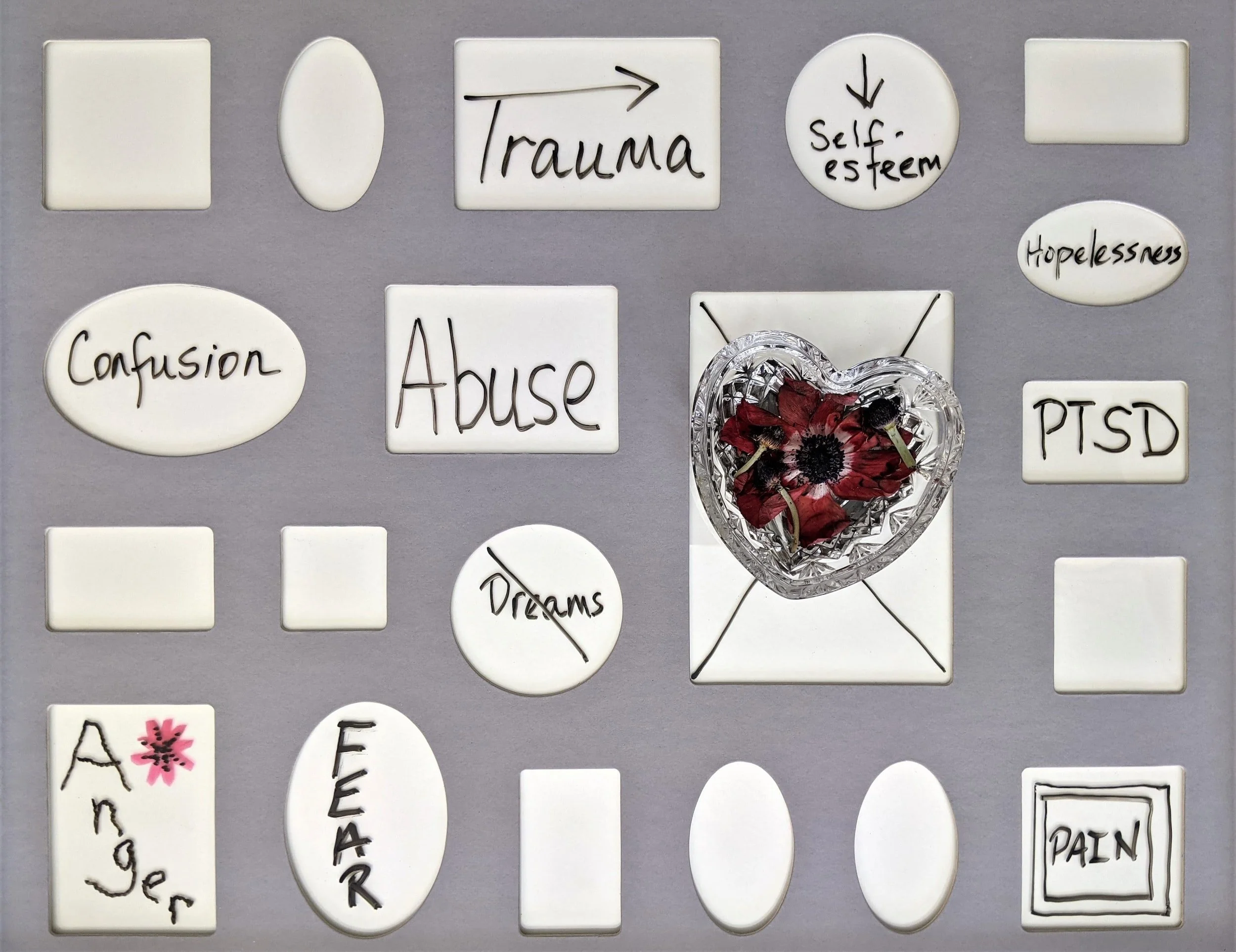
There’s an unresolved trauma issue that prevents you from moving forward. Maybe it’s a memory that is just too painful to recall.
Or, perhaps the problem is that you can’t remember because you have blocked it out of your mind.
Whatever the reason, you still live in fear and are filled with anxiety. Everything around you appears to be a threat. It seems you are constantly on edge and the weight is absolutely crushing.
You wonder, “Will I ever get over my trauma?”
The answer is an emphatic yes!
Here’s what to do when you can’t break through:
Why Trauma Occurs
Psychological trauma occurs through post-traumatic stress disorder or PTSD. PTSD is the result of going through lived experiences that are distressing, painful, and in which even your physical safety is threatened. Examples of experiences that could lead to PTSD include:
An accident
Illness
Physical injury
Natural disaster
Acts of violence, terrorism, etc.
Experiencing a loss
It should be noted that it’s virtually impossible to live a life where you might not go through a difficult experience. Everyone experiences loss, gets sick, or is involved in some kind of misfortune. However, that doesn’t necessarily mean everyone will develop post-traumatic stress disorder. Yet for some that is the case. So why can’t they get better?
Obstacles to Recovery
It’s possible that you encountered obstacles during your trauma recovery. These obstacles made it much more difficult for you to heal. For example:
Feeling alone and misunderstood
Reliance on substances such as drugs or alcohol to cope
Having unstable housing and not feeling safe
An inability to connect with therapy in a meaningful way
Lack of other support systems
The problem with trauma and post-traumatic stress disorder? Sadly, the issue doesn’t impact just one area of your life. Rather, the impact of trauma ripples throughout everything. The result is that you experience disruptions that make recovery much harder. These and others are those additional barriers that make it so hard to for you to fully recover.
How to Get Over Trauma—Be Heard
There are so many factors to take into account in order to get over trauma. One, in particular, is being heard.
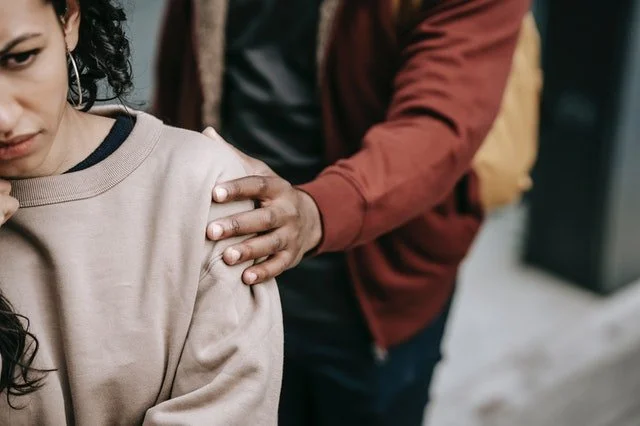
Talking about what happened and knowing the other person is listening should be easy. However, that isn’t always the case. To be heard, you need to have someone with whom you trust and feel safe. That includes both physical safety and emotional safety as well. This is where a therapist plays such a crucial role. It’s their job to listen to you. A difficult part of having lived through trauma is not feeling understood by other people. What you feel is real. You need someone who will validate those feelings and let you share your story.
When Talking Isn’t Enough
Feeling comfortable and empowered to talk is important. However, sometimes you need a little more than just talk therapy for trauma recovery. One effective approach is eye movement desensitization and reprocessing (EMDR). EMDR therapy provides a guided experience in which you, through prompts from your therapist, experience those traumatic moments. You and your therapist thoroughly prepare before the EMDR process starts. Then, during your sessions, your therapist instructs you to follow an object back and forth with your eyes while performing this recall. The combination of guided experience and eye movements helps your brain process and resolve trauma.
When you ask “Why can’t I get over my trauma?” it’s because you have encountered one or more roadblocks to your recovery. But that doesn’t mean you can’t overcome them! With help from a therapist, you can resolve your trauma. Reach out to today to find out how trauma therapy can help you.