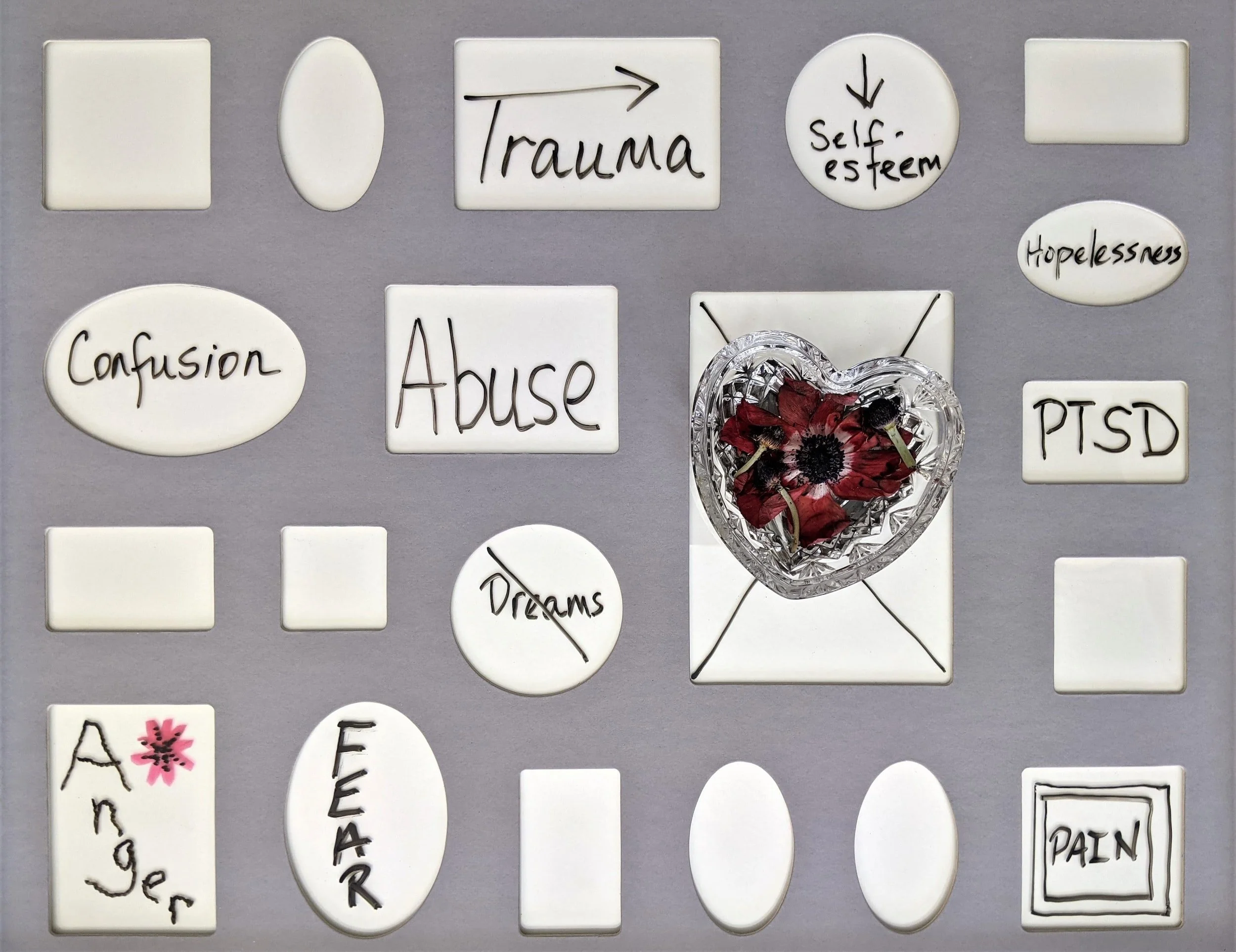
There are many different emotions and feelings that we experience. Joy, sorrow, affection, sadness.
But what about shame?
Shame is a very strong emotion. However, it’s more than just a feeling.
It’s a state of mind too.
When you experience shame, it causes you to not just feel, but believe that there is something inherently wrong with you. That’s very powerful! Yet not in a way that is affirming or helps your self-esteem. In fact, shame can be chronically and traumatically negative.
The tragic thing is that people are often stuck in shame secretly. Sometimes the nature of their pasts, current mistakes, or perceived failures they carry around with them for years.
But it doesn’t have to be this way.
It is entirely possible to break free from your secret shame. Here is what it takes to change.
More Than Giving Yourself a Break
You’ve heard the phrase “Give yourself a break!” before. But you know you don’t believe you should or how to do it. When you are holding on to secret shame, you can’t give yourself a break, not even for one minute. Shame brings with it self-loathing. That means you cannot stand to be yourself.
To break free from secret shame, you need more than just a break. You need self-compassion and self-love. This is the ability to acknowledge that you are okay just the way you are. This takes time but is possible. One way to create new thought patterns is by repeating something positive and uplifting to yourself. It doesn’t have to be grandiose. Simply saying “I’m okay” will work.
Question Your Secret Shame
Next, question why you are carrying around all of this shame. Some things to consider:
Where did this shame come from?
How did it start?
In what ways has shame negatively impacted your life?
Do you deserve to have this shame?
Many people have carried shame with them for many years, even decades. And oftentimes, it’s because they didn’t meet some kind of perceived standard or were told that they were less than they deserved to be. In essence, this shame is not reflective of who you are as a person.
Do Something for Others
Shame causes you to feel that you are unworthy and that your life has no value. To counter that narrative it’s time to take action. You can do this by being of service to other people. When you give back, you get the feedback very quickly that your actions matter.
Whether it’s volunteering at a food pantry, building houses, or helping with a project at your local park, at the end of the day you see results. You know that you have helped someone. Or, that the work you have done will benefit somebody else in the future. That’s so powerful! And it gives you back something that shame has taken away: meaning.
Take Care of Yourself
Oftentimes, your life echoes the feelings of shame that you experience inside you. Your living space is cluttered and messy. Perhaps it’s been a long time since you went for a run or worked out at the gym. Or your diet could use a little work,too.
To cope with secret shame, start taking back control of your life. For instance:
Exercise frequently.
Keep your home clean and tidy.
Include nutritious foods in your meals.
Go to a gym or group fitness class.
Limit alcohol consumption.
Get enough sleep each night.
You’ll find that doing these things really does help with fending off shame-motivated thinking and behavior.
Therapy for Secret Shame
Therapy is an important part of any plan for recovering from shame. Because secret shame is such a profound issue, it goes directly to the core of your being. There may be unresolved issues from your past, such as trauma, that is the source for this shame. It’s why you have kept it a secret for so long. In counseling, your therapist will listen with an open mind and heart. Their goal is not to cause further shame. Far from it. It is available to help you share the secret, heal, and finally be whole again.
If you are carrying with you secret shame, there is much you can do about the issue. Try the ideas above. However, it’s important to include counseling as part of the process. Find out today how trauma therapy can help you.