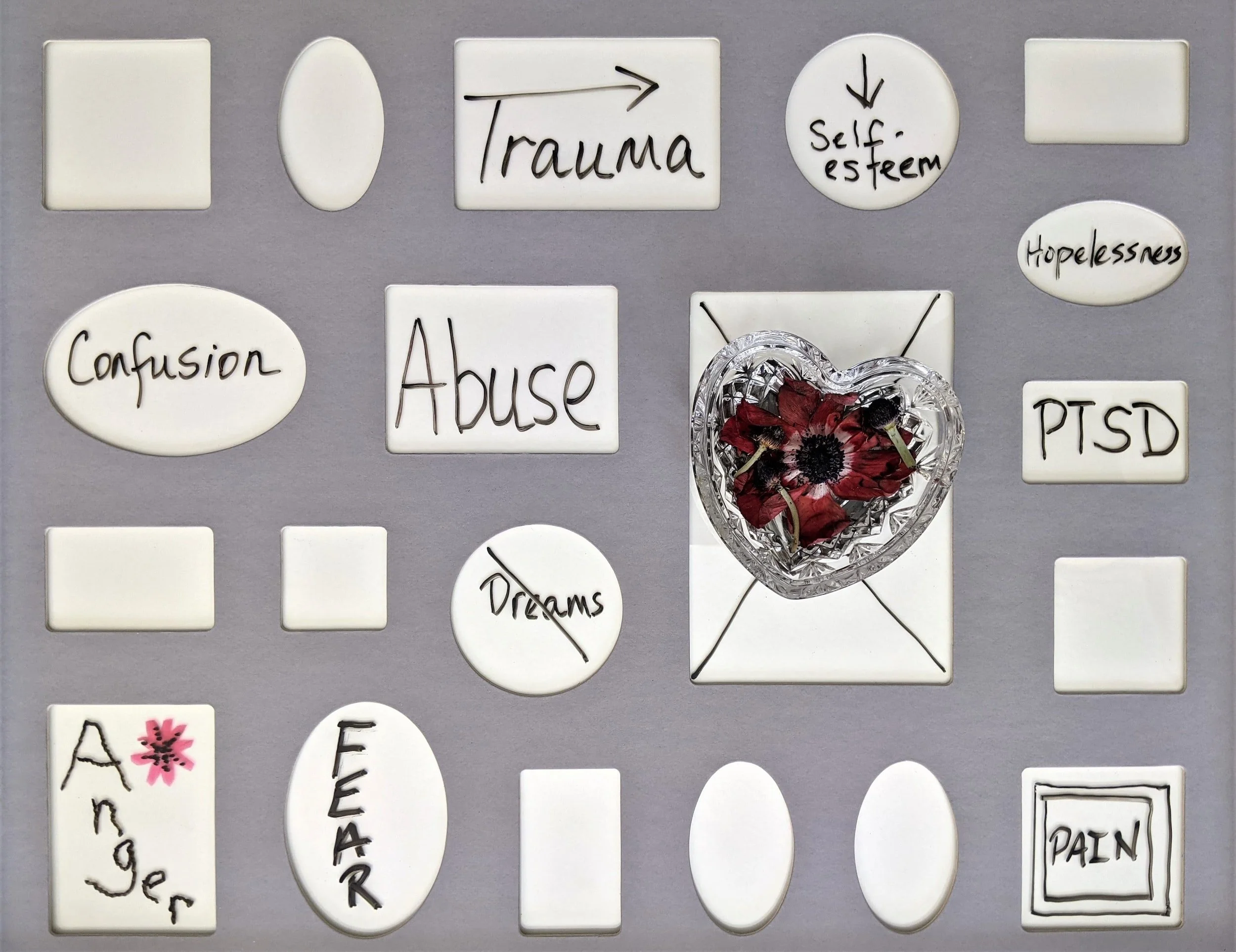
Recovering from addiction, in any form, can mean a lifelong journey. Sex addiction recovery, in particular, can be a difficult journey to take.
Why? Because sex is such a powerful act of personal connection with the person you love. However, those in recovery from sex addiction struggle with shame, along with many other burdens.
It’s very important to work with a therapist when you are in sex addiction recovery. But there are other resources available too.
These include sex addiction support groups. These groups are made of other people who are also working on their journey through recovery.
Here are some reasons why support groups help.
Community and Understanding
At first, it feels awkward, even embarrassing, to attend a sex addiction support group. After all, the topic is so personal, and painful. Also, you feel ashamed for what you have done. Your actions impacted many people whom you love and are close to.
Support groups offer something very valuable: community and understanding. These people have been there. They too all had their first meeting, and know-how difficult sex addiction recovery can be. But they are not there to judge you. Rather, support groups offer the chance to connect with others who “get it.” And, they are willing to help you on your own personal recovery journey.
Learning from Others
Another way support groups help is to the chance to learn more about sex addiction, and how others are coping. This is useful for two reasons:
You develop a much deeper knowledge of what comprises sex addiction, why it occurs, and how it affects your brain and body.
Other members will share their stories and progress. In addition, they may share how they are coping with sex addiction. What is working for them, and what isn’t? The various ways in which can you apply those experiences to your own path of recovery will be addressed.
When you attend a support group, you have the opportunity to learn more than just the basics of sex addiction. You can gain a much more in-depth understanding of the condition.
Finding Accountability
Support groups are a place that allows you to be accountable for your recovery. It’s motivating to know that others are also in recovery. This encourages you to stick to healthy habits and stay on track. It’s a form of accountability that promotes a more strength-based approach.
Often, we consider accountability to be synonymous with punishment. However, the heart of accountability involves taking ownership of your actions and behaviors. If you do have a setback, you discuss what happened with the group. The other members won’t shame you. Instead, they listen and provide perspective. Then, you start again using the insight you have gained.
Opportunity for Mentorship
In many support groups, especially those that use a 12-step format, more experienced members mentor newer members. Mentorship, or sponsorship, can be a lifeline if you are struggling with addiction. Usually, these people meet with you outside of the support group. They act as guides to help you on your path. And, they are often available to talk and meet more often than the support group meets. By engaging with the group as a whole and with individual members, you create healthier and more positive connections with people who have similar backgrounds.
Why Support Groups Help: Small Steps Towards Recovery
If you are still hesitant to participate in a support group, it’s okay. Remember that recovery doesn’t always come with big, sweeping strokes. It’s the smaller, more incremental steps that matter. Here are some ideas to help:
Do your research on local support groups in your area. Read their promotional materials such as brochures, pamphlets, or their website.
Call someone associated with the group to chat. Consider this a “breaking the ice” moment to learn more about what the support group offers.
Attend a meeting. They may invite you to introduce yourself. However, you don’t have to jump right in and start processing with the group. You control your story, and it’s okay to watch and observe how the group functions.
Support groups offer an opportunity for you to learn more about sex addiction and recovery, find community and healthy connections, and support you when you are struggling. If you are interested in learning more about how support groups help, please read more about sex addiction therapy and contact me today.