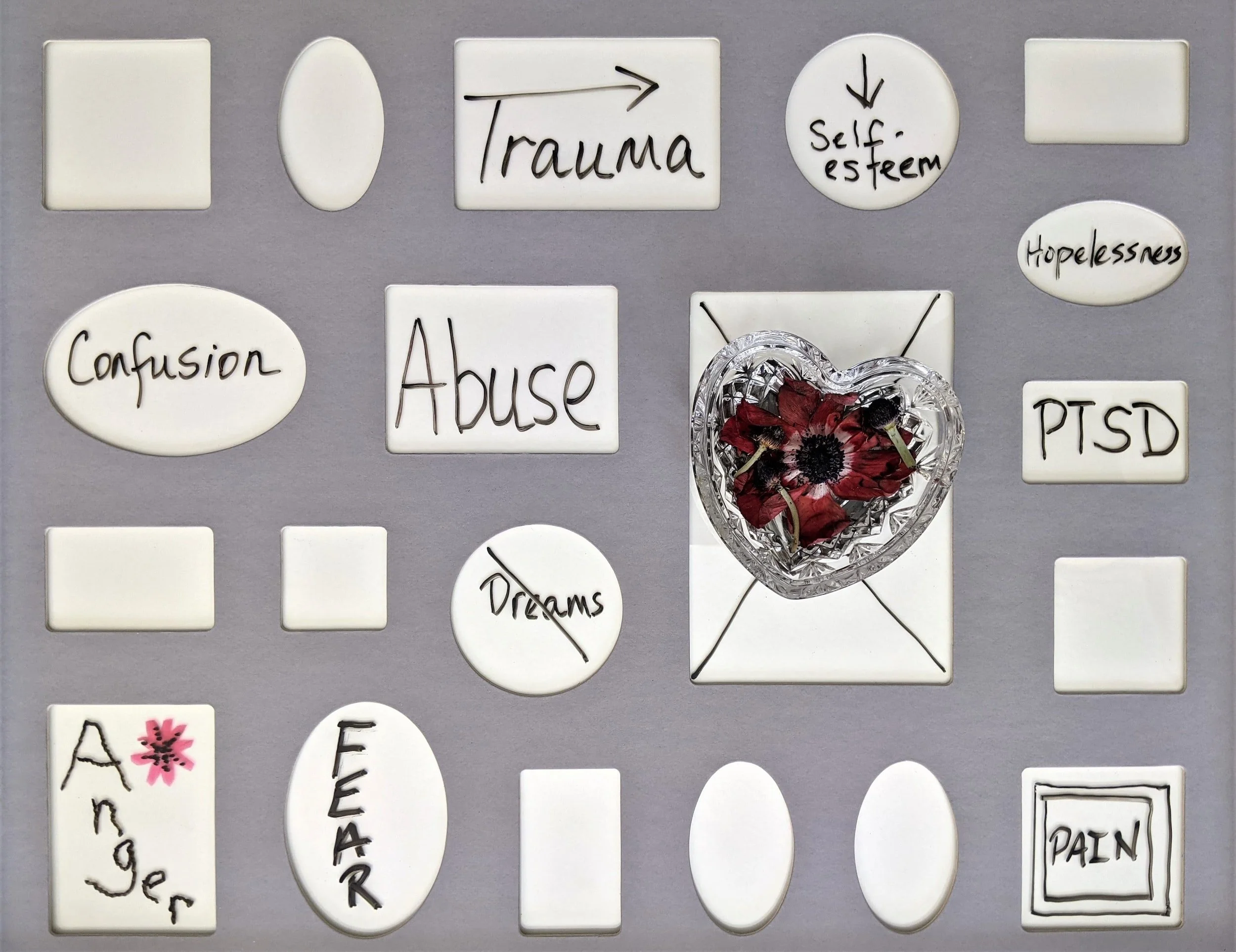
It happened, you can’t deny it.
One thing led to another, and before you knew it you were cheating on your partner.
You didn’t mean for it to happen, but it did.
Now you are gripped with shame over what you did. You just can’t stand to feel this way, knowing that you caused your partner so much pain. The feeling is almost paralyzing and overwhelming, and you don’t know how to cope.
What should you do?
If you are experiencing shame after an affair, there are positive ways in which you can cope with shame and to move forward.
1. Acknowledge that You Feel Shame
Admittedly, this is not the easiest thing to do. No one likes feeling shame, let alone admitting that you are experiencing it. However, burying your head into the sand and ignoring or pushing away such negative emotion isn’t helpful either.
Yes, feeling shameful is very hard. Yet, blocking that emotion out only causes more problems. Choose instead, take a deep breath, pay attention to your thoughts, and allow yourself to feel and experience your emotions. It’s a hard step, but it’s an important first step towards facing reality and coping with shame.
2. Address Post-affair Negative Coping Methods
Next, ask yourself if what you are already doing to cope with shame after an affair is healthy or not. For example, have you noticed an uptick in your drinking lately? Have you used drugs to “numb” your emotions? Even things such as eating and exercising too much can be considered negative coping methods. That’s because they only serve as distractions for what you are truly feeling internally.
Any negative method of coping with shame can be very harmful to your well-being. Also, such solutions won’t solve the problem of feeling shame after an affair and will likely exacerbate your poor self-image.
3. Talk to Someone about Your Shame
One of the best ways for coping with shame after an affair is to simply talk to someone with whom you trust. When you hold pain inside and bury toxic emotions such as shame, they will continue to harm you emotionally, mentally, and may even result in physical maladies. Do you mentally torture yourself over what you’ve done? If so, talking about your feelings is vital, as doing so helps to lift your burden.
Make sure that you are talking with someone whom you trust and you know won’t judge you. A sense that you are being judged will only amplify the shame you already feel and likely cut your therapy short.
4. Tell Your Partner
Of course, when it comes an affair, nobody wants to admit their infidelity to their partner. It’s also the last thing your partner wants to hear. However, it’s very important that you tell your partner what happened if you want to start to deal with shame.
Keeping such a secret from your partner only damages your relationship in the long run and further damages your sense of yourself. They have a right to know. You need the chance to put things right.
Still, there is the risk that your partner will decide it is necessary to put some distance between you as they come to terms with the affair. That’s OK. Taking this all in will be a shock, as you both need time to face the state of your relationship. Even though it will be painful, taking this step will be a return to integrity that can help you reduce shame one day at a time.
5. Finding Forgiveness
It’s important to note that your partner might not forgive you for your actions. However, that is also one of the consequences for what you did. In the bigger picture, it is important that you be able to forgive yourself. Yes we all make mistakes and sometimes choose the wrong path. However, that doesn’t make you a loveable or wholly unforgiveable person. If your relationship ends because of an affair, honestly process what happened and determine what you could do differently next time.
Coping with shame after an affair is not easy.
It is such a powerful emotion that shakes you at your very core. As you attempt to process the affair and your part in it, remember to seek support and avoid negative ways of coping. Therapy can help you develop the courage needed to inform your partner and make room to forgive yourself. Just because you made a mistake doesn’t mean it has to define who you are for the rest of your life.
Click to learn more about infidelity counseling and treatment with Naomi Casement - LMSW.