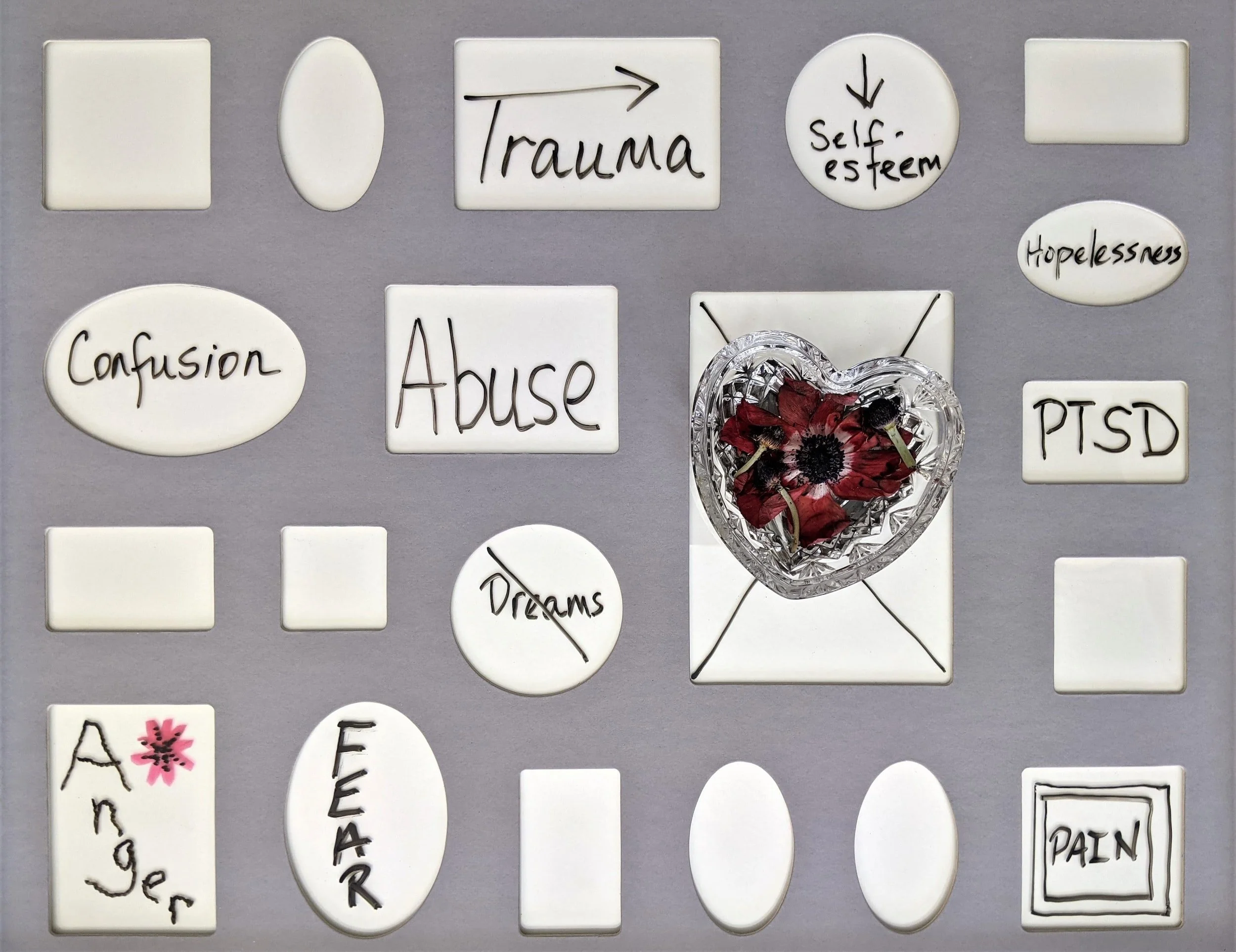
Forgiveness is one of the most challenging things to do, particularly if you feel betrayed or disrespected by someone you love. You may be experiencing a host of negative emotions: anger, sadness, hurt. It can be even more difficult to forgive when the other person does not express remorse.
The key to moving on is to remember that you are not forgiving that person for their benefit. You are forgiving them for yours.
If you're finding it difficult to forgive, it's important to ask yourself why. You may think that you are being strong or standing on principle by keeping your anger alive. Yet, on some level, you likely already know that doing so just declares the other person the winner by default. You're the one who remains stuck, unable to heal, living in the past, no matter how justified you are in your upset.
Forgiveness opens the door to your future, regardless of the other person's actions, acknowledgment, or remorse.
Consider what forgiveness means and how you can start letting go sooner rather than later.
Defining Forgiveness
Forgiveness means something different to everyone. Some forgive because they see the person who apologized as genuinely sorry. Others who know the other person is not sorry but choose to forgive them anyway. Forgiveness in either case is a release. They choose to be free of the power that harboring anger has over them.

Instead, forgiveness accepts that you and the offending party are human and equally capable of doing harm. Empathy, compassion, and understanding can be achieved through forgiveness when you see things from the other person's perspective. You still do not have to agree with what the other person did, but you have an idea why they chose those actions they took.
Essentially, forgiveness does not mean forgetting, You are not condoning what that person did to you, You are not telling them it is okay. It is about giving yourself the peace that you have not had in a long time.
Think of What You Want
In order to achieve forgiveness, you may need to think about how you want the offending person in your life. Do you still want to be friends and start anew? Would you rather be on good terms without friendship? Or do you want to forgive this person in hopes they will leave you alone and let you move on?
Having a goal in mind of what you want to achieve from forgiveness may make a difference in how you move forward and let go of hard feelings. That way, you can struggle less with your emotions, feel more empowered, and plan for where you want to end up relationally.
Two Sides for Every Story
It is easy to think of only your feelings and your perspective when it comes to a situation in which you were hurt. On the path towards forgiveness, it helps to view the situation more objectively, with some emotional distance.
Journaling can help with this. When you have time, take out a piece of paper or a journal and write down what happened. Do not write down your emotions. Tell it exactly how you remember it; just the facts.
After you read what you have written, you may still be upset at what this person did, but maybe you will understand the circumstances more. Understanding the time, context, etc can help you see the entire experience from multiple perspectives. This often tempers the hurt and helps open the mind to forgiveness and even reconciliation, if you desire.
Decide to Forgive
You may feel like you have lost control of power because your anger toward the other person has stopped you from healing. Just because that person decides to harbor their anger towards you does not mean you have to. Choose to forgive for yourself. You're freer when you accept the situation and this person as they are. You can get that power back by acknowledging that you are both human and intentionally deciding to forgive them.
Are you interested in learning more about forgiveness? Please contact us to schedule your first consultation.