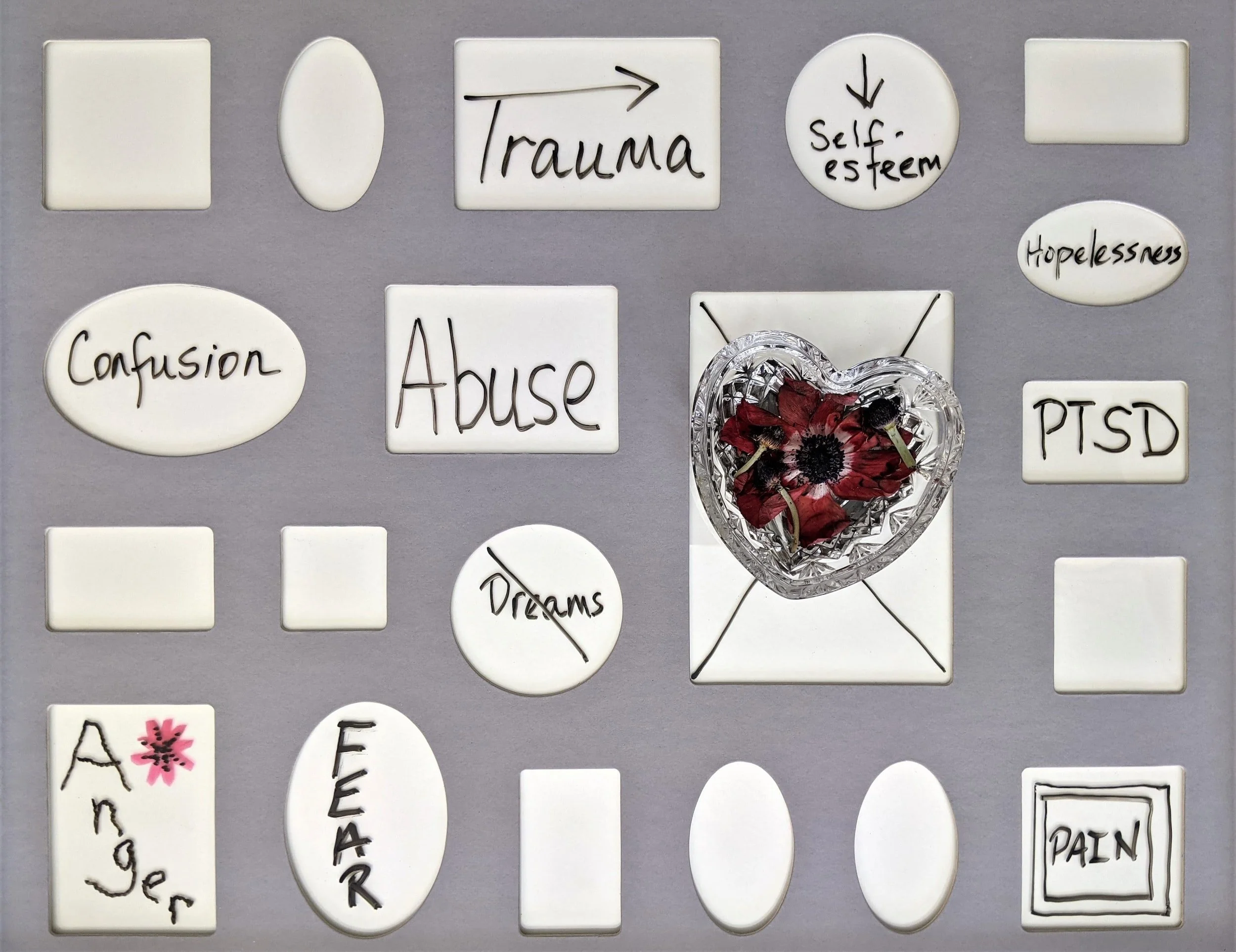
Having to live through a traumatic experience can have a lot of negative consequences for a person. This includes developing post-traumatic stress disorder (PTSD). However, we are learning that there is also a connection between trauma and substance abuse. Why? Because trauma actually changes the brain and its chemical makeup.
Neurochemical Changes From Trauma
The National Institutes of Health (NIH) has conducted studies linking trauma to negative changes in the brain. These can include, but is not limited to:
A decrease in the concentration of Cortisol, which is a hormone released by the brain during stressful situations.
Changes in dopamine, a neurotransmitter that affects the reward part of the brain.
Altered levels of norepinephrine, which affect autonomic stress responses and controls arousal
Changes in serotonin levels, another neurotransmitter that also has an effect on mood.
Amino acids, important chemical building blocks.
Peptides, vital compounds of amino acids.
Trauma creates changes in the brain that affect how we can handle stress. It changes the rewards part of our brain and wreaks havoc on our brain architecture. Therefore, this exposes a victim of trauma, and makes them more prone to addiction.
Children with Trauma and Substance Abuse
Another study conducted by the NIH creates a link between trauma and substance abuse, particularly in children. Specifically, it says that childhood trauma can change the neurological structure of the brain. Trauma causes a child to be more likely to struggle with substance use such as drug/alcohol abuse. In fact, the NICH notes that 70% of adolescents who were being treated for substance abuse had experienced a trauma in their past.
Trauma and Substance Abuse
The research shows that over the course of their lifetimes, children are more likely to use alcohol, cocaine, marijuana, and heroin. In particular, there seems to be a connection between cocaine use and dependence with PTSD. The researchers concluded this due to the fact that cocaine is a stimulant drug and contributes to hyperarousal. This makes sense if there are changes in dopamine and serotonin levels in the brain. Unfortunately, this can make it more difficult to help someone struggling with trauma and substance abuse.
How to Help People with Trauma and Substance Abuse?
The Substance Abuse and Mental Health Services Administration (SAMHSA) recommends what it calls a Trauma-Informed Approach to treating people who have PTSD. There are six components to this approach, including:
Safety
Trustworthiness and Transparency
Peer Support
Collaboration and Mutuality
Empowerment, Voice, and Choice
Cultural, Historical, and Gender Issues
Using this framework, several other treatment models have been built to support people with trauma and substance abuse in particular.
Trauma-Informed and Substance Abuse Treatments
SAMSHA recommends these methods of treatment:
Addiction and Trauma Recovery Integration Model, or ATRIUM: This is a 12-session model that helps people who have addictions and a trauma history find recovery through peer support groups.
Trauma, Addiction, Mental Health, and Recovery (TAMAR): A 10-week program combining expressive therapy and psycho-educational techniques. Used for people who have had trauma in residential settings.
Seeking Safety: May be utilized by individuals or groups through the use of behavioral, interpersonal, cognitive, and case management with the overall goal of creating safety.
Trauma and Recovery Empowerment Model (TREM/M-TREM): Helpful for men women and men who have been victims of sexual or physical abuse.
Altogether, a person who wishes to resolve their trauma and substance abuse have several help options available to them.
Sadly, it is clear connections exist between trauma and substance abuse. Trauma can drastically change the brain. Moreover, It can make a person more vulnerable to substance abuse.
Yet, there are things people can do to seek help. This can be as simple as seeing a therapist or participating in a program that has a trauma-informed approach.
Did you experience trauma? Do you have a drug or alcohol problem? Don’t wait another day to seek the help you need.
Click to learn more about Substance Addiction Counseling and Treatment or Trauma Counseling and Treatment with Naomi Casement, LMSW.