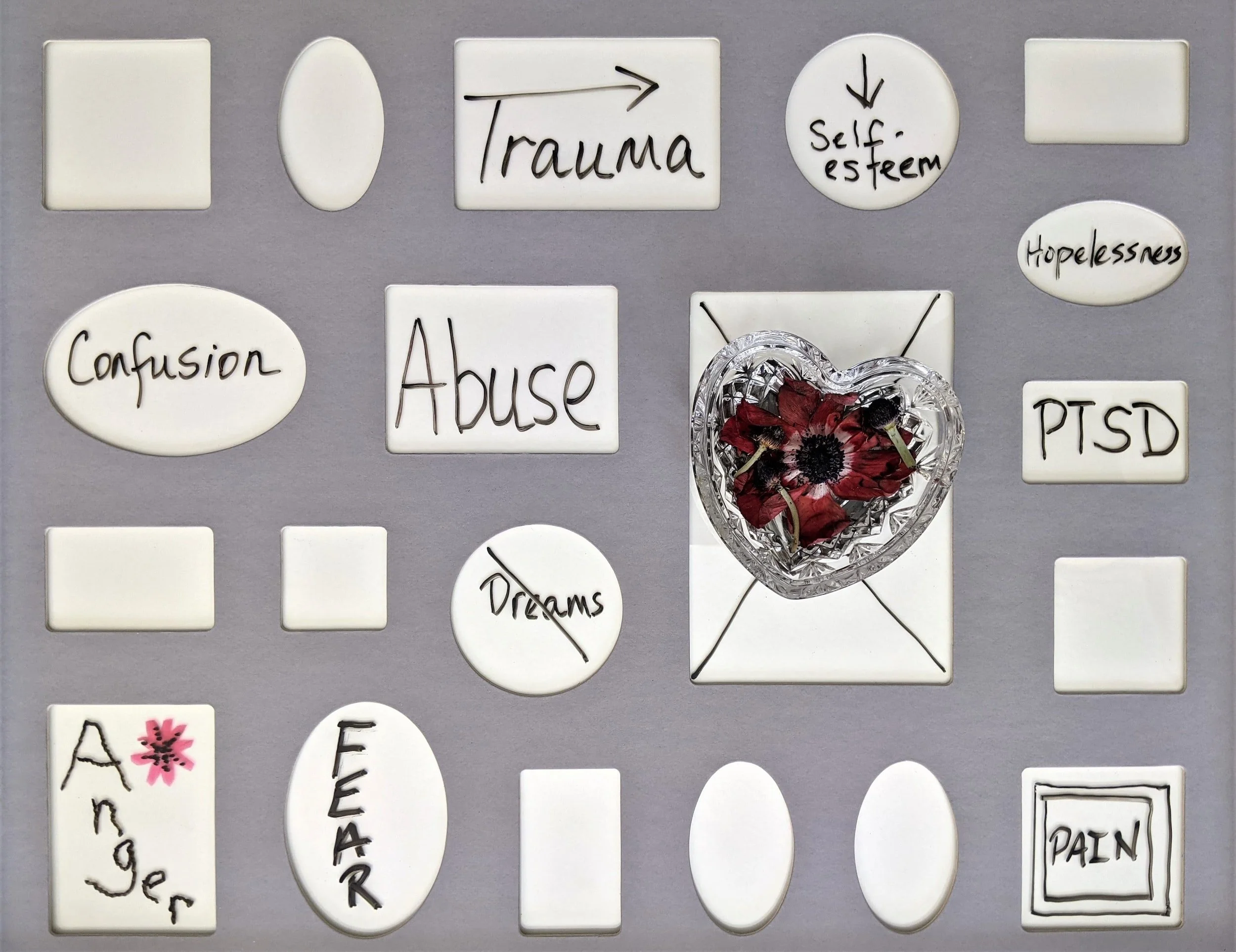
You may have heard how surviving a trauma is an emotionally difficult and painful experience. Yet, science is discovering just how much the brain physically changes when exposed to trauma. By understanding trauma and both its physical and emotional impact, you can take steps to address such trying events in your life.
PTSD and Stress
Post-traumatic stress disorder (PTSD) creates many symptoms. These symptoms are the result of having been exposed to a trauma. This could be a singular event, such as a car accident, or events occurring over a long period of time, such as parental abuse. Symptoms of PTSD include:
Flashbacks
Memory problems
Sleep issues
Intrusive thoughts
Nightmares
These symptoms create more stress. This, over time, changes the neurochemistry of the brain. These different systems of the brain have difficulty processing information. In turn, this means trauma makes it much harder for your brain to recover.
Cortisol and the Human Brain
Science is improving its understanding of trauma and its effects on the brain through its understanding of cortisol, a hormone. Cortisol is associated with stress. Research is finding that people who have PTSD actually have lower cortisol levels. This is a problem because cortisol is also important for controlling adrenaline. Specifically, it lowers adrenaline levels in the brain after a stressful situation. Not being able to lower adrenaline levels immediately after traumatic situations could lead to traumatic memory creation. Also, it leads to manifesting emotional triggers as well.
Understanding Trauma and the Amygdala
Another area important for understanding trauma and its physical impact is how it effects the amygdala. The amygdala has two functions. The first is to help you recognize when there is a danger or threat. The second is that it associates memories with emotions. After experiencing trauma, your amygdala becomes over-excited. It will become overly vigilant, looking for threats everywhere. This, consequently, contributes to your stress levels and makes it hard to feel safe.
The Hippocampus and PTSD
Trauma also affects the hippocampus region of the brain. Your hippocampus is the part of the brain that is responsible for making and consolidating memories. When stressed by PTSD, the hippocampus will be exposed to glucocorticoid, a stress hormone. This hormone destroys hippocampus cells, making it more difficult form memories. In turn, you struggle to understand that what happened to you was in the past and that you are no longer in danger.R
The Complex Brain
Research is finding is that the human brain is incredibly complex. Thus, trauma damage is often not limited to one or two isolated systems. In reality, the brain relies on many systems working simultaneously to process, organize, and store information. Therefore, trauma affects the whole brain. This means it becomes much harder for you to process information and control emotions.
However, there are steps you can take to address this problem.
Understanding Trauma and Healing
Although we are still understanding trauma and how to heal from it, there are several things that you can do to cope and recover.
See a therapist who trained in PTSD counseling. A counselor will help you identify, process your emotions and reorganize your memories. That way, your brain realizes that it is no longer in danger.
Antidepressant medication can also help grow new nerves in the hippocampus regions damaged or destroyed by trauma. Medication is also helpful for emotional regulation.
Learning stress-reduction techniques such as mindfulness allows you to better control your stress response.
Understanding trauma means knowing how it physically affects and changes your brain. This includes determining how the different parts of your brain interact with one another and influence your decision-making. With this knowledge, you can move forward with treatment and get the help you need.
Click to learn more about trauma counseling and treatment with Naomi Casement - LMSW.