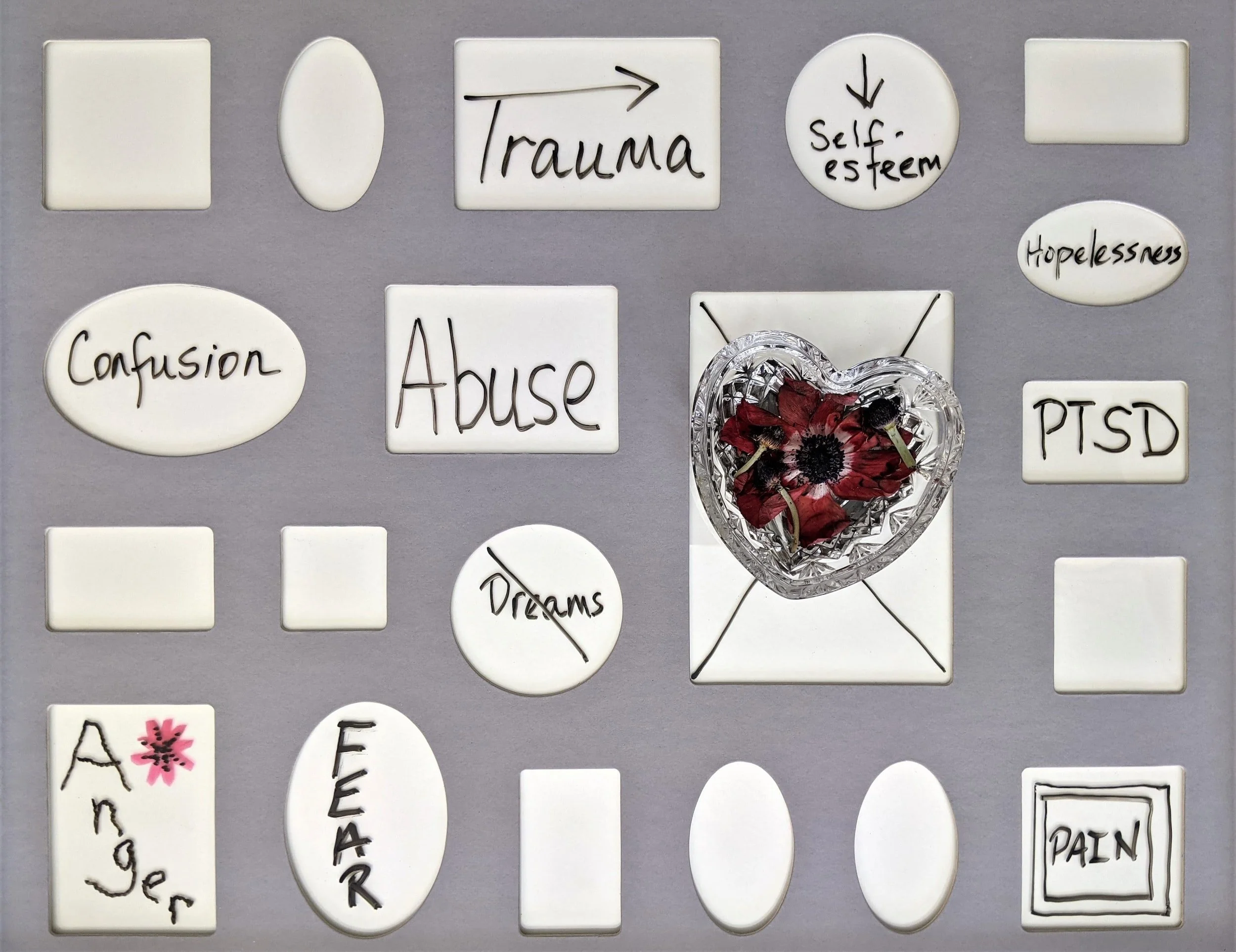
You’ve not shared the burden of the abuse you experienced for so long. It has been so hard carrying that weight with you. The memories and feelings associated with your trauma may have made it difficult to trust others and to be vulnerable.
This makes sense, as you naturally want to protect yourself. However, you also know that it’s helpful to talk about and sharing the abuse you experienced as part of the healing process.
Now you’re ready to share, but what’s the best way to talk about your trauma now?
Consider these thoughts for sharing your abuse with others.
Make Sure You are Ready to Talk
First, make sure that you are absolutely ready to talk.
You may not have been in control when the abuse happened, but you do control now with how you share it. Ensure that the motivation for sharing what happened to you comes from within. If you believe that you are being pressured or forced by others to do so, take a moment to pause and look inward.
Remember, this is your story, and you are the one in charge regarding how it is shared. You don't want to feel further victimized or traumatized. Don’t let others try to pressure you into doing something that you don’t feel you want to do or are ready to do.
Consider Your “Talking Points” for Sharing Abuse
It helps to know the narrative that you want to put forth before you share the story of your abuse.
Your “talking points” can be just a simple outline that you have in your head that allows you to share as completely as you wish. If there is something that you are not ready to disclose yet, that’s okay. In effect, knowing what you want to say ahead of time will help keep you on track when talking. That way, you don’t veer off-topic into areas that you are not ready or able to discuss quite yet.
Realize This Won’t Be Easy
Prepare yourself for the fact that, at first, sharing your story isn’t going to be easy.
These are emotions and memories that you might have kept buried for years inside. Talking about this openly will bring up a lot of emotions for you. That’s understandable, but they won’t make sharing your story any easier at first. However, over time, it often does get less stressful when it comes to sharing your thoughts and feelings. Of course, it may not ever be the easiest thing, nor should it. Yet, with time, practice, and support, sharing your abuse can be less difficult and more cathartic.
Pick Your Audience
If you are sharing abuse for the first time, then it’s critical that you pick your audience wisely.
You want someone who can be empathetic, listen well, and refrain from judgment. They also ought to be okay with you sharing your feelings not try to shut you down or fix you when your emotions surface. For these reasons, a trauma-informed therapist can be very helpful when you are sharing your story.
A therapist's training will be focused on how to best support you in this journey. Also, it’s their role to be empathetic and listen to you without passing judgment over the circumstances, details, or your past. They can even help you craft the narrative that you can share with others too.
_____________
Sharing abuse and the resulting fallout is never going to be “easy.”
Yet, it does get better over time. What helps is having a strategy in place before having these discussions. Working with a compassionate professional will allow you to work through the emotions that come up during this process. Also, this kind of support will help guide you as you begin to share the story of your abuse with others.
Click to learn more about trauma treatment and counseling with Naomi Casement, LMSW.