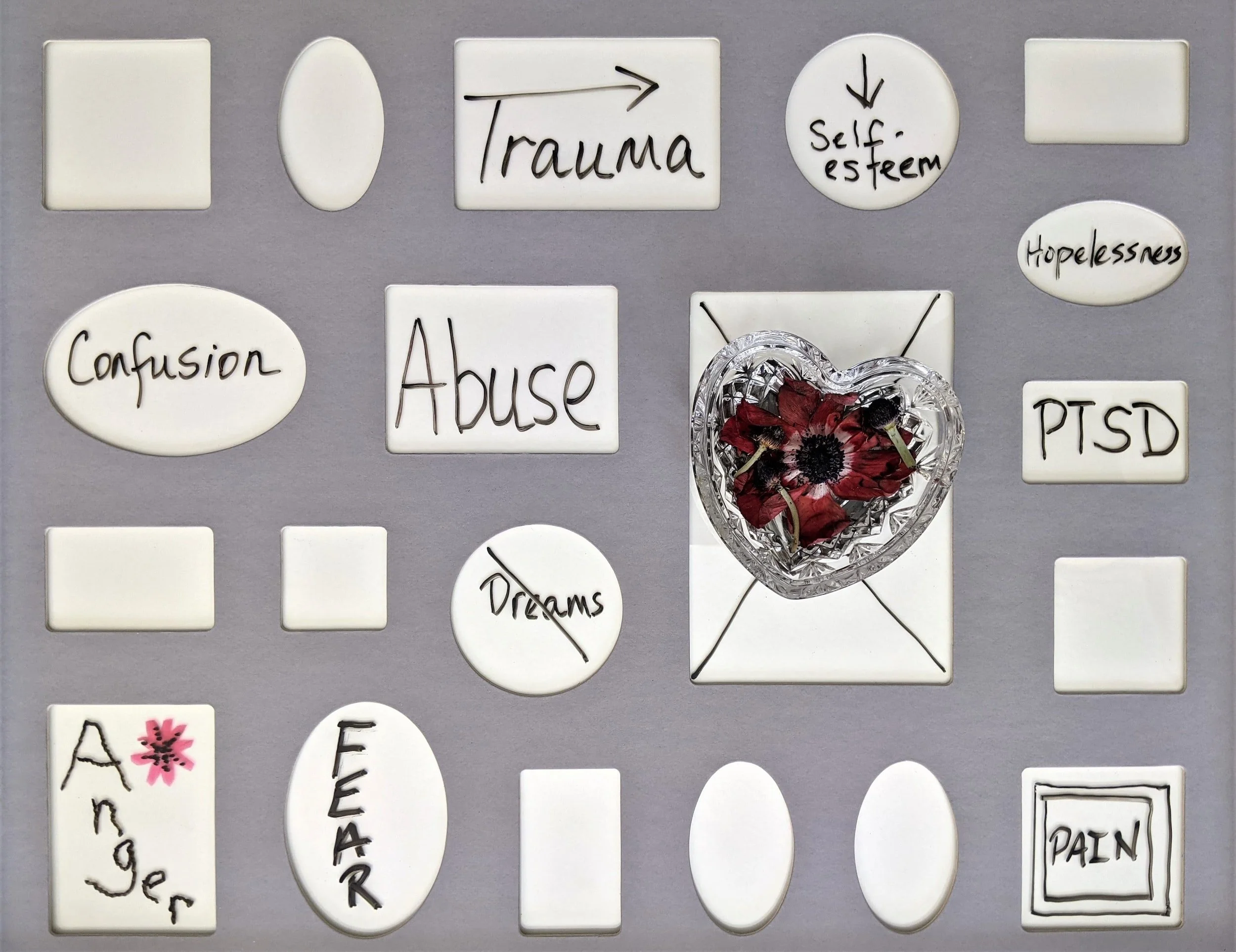
You know that your partner has a problem with alcohol addiction and you’re doing your best to love and support them. However, alcoholism can take its toll on you too unless you take care of yourself. That’s why it’s important to take these steps to help you cope with this situation.
Step #1: Make Sure You Are Safe
It’s important to know, before any kind of therapeutic work begins, that you are safe. If your partner’s alcoholism creates a physically unsafe environment for you, your children, or other vulnerable individuals in your home, take everyone with you and leave. There are resources available such as the Substance Abuse and Mental Health Services Administration hotline: 1-800-622-HELP (4357).
Step #2: Talk to Somebody
Hopefully, your partner is getting professional help and counseling for their alcohol addiction. It’s important, however, that you see someone too. Alcoholism creates a lot of problems for relationships including:
Loss of trust because of lying or stealing
Hurt feelings from arguing
Worry over your partner’s health and safety
These issues and more make it critical that you get professional help. A therapist trained in addiction recovery can help you not only better understand your partner’s condition, but can also provide a safe place for you to relax and express yourself. In addition, you can learn what to do to better cope when your partner’s addiction takes over.
Step #3: Practice Self-Care
When a loved one is struggling with addiction it’s easy to forget about your own needs. Make sure that you are eating well, getting enough sleep, and staying healthy. Exercise is not only good for you, it also helps to relieve stress. Keep up with your basic grooming needs too.
Step #4: Take Time for Yourself
You may feel obligated to spend 24-hours a day with your loved one to make sure they don’t have the opportunity to drink. That’s not practical as you can’t control their behavior entirely and you will only burn yourself out trying. If your partner needs supervision, ask a trusted friend or loved one to take over. Or, when your loved one goes to counseling or a meeting, take advantage of that time for yourself instead of running errands or working. You need to have some separate time for yourself to not only relax but also to process what’s going on.
Step #5: Practice Stress-Reduction Techniques
Some ideas to relieve stress include:
Mindfulness breathing exercises
Meditation
Listening to soft, relaxing music
Sitting still in a quite space
Playing an instrument
Drawing, writing, painting, or creating other forms of art
The idea is to be able to slow down and focus more on the present instead of worrying about your partner and their alcohol addiction.
Step #6: Enjoy Life
Alcoholism can make it seem as if all other aspects of life are unimportant as you cope with this serious issue. However, it’s important to enjoy your life, even if its small things like laughing or enjoying a sunset. That may sound corny, but always feeling as if you’re in a constant battle is draining and can lead to other serious problems such as depression.
Step #7: Reach Out to Others
Even though this is a serious problem for you, your spouse, and your family, take heart in the fact that you’re not alone. There are other people who have been or are in the same situation as you when it comes to a partner’s alcohol addiction. Al-Anon is a support group specifically for the family and friends of those struggling with alcoholism.
Alcohol addiction is a terrible condition that affects not just the addict, but everyone who loves and cares about them. You can take advantage of resources such as counseling, self-care practices, and support groups to help you cope with alcoholism. You and your partner can get through this!
Click to learn more about substance abuse counseling and marriage counseling with Naomi Casement, LMSW.