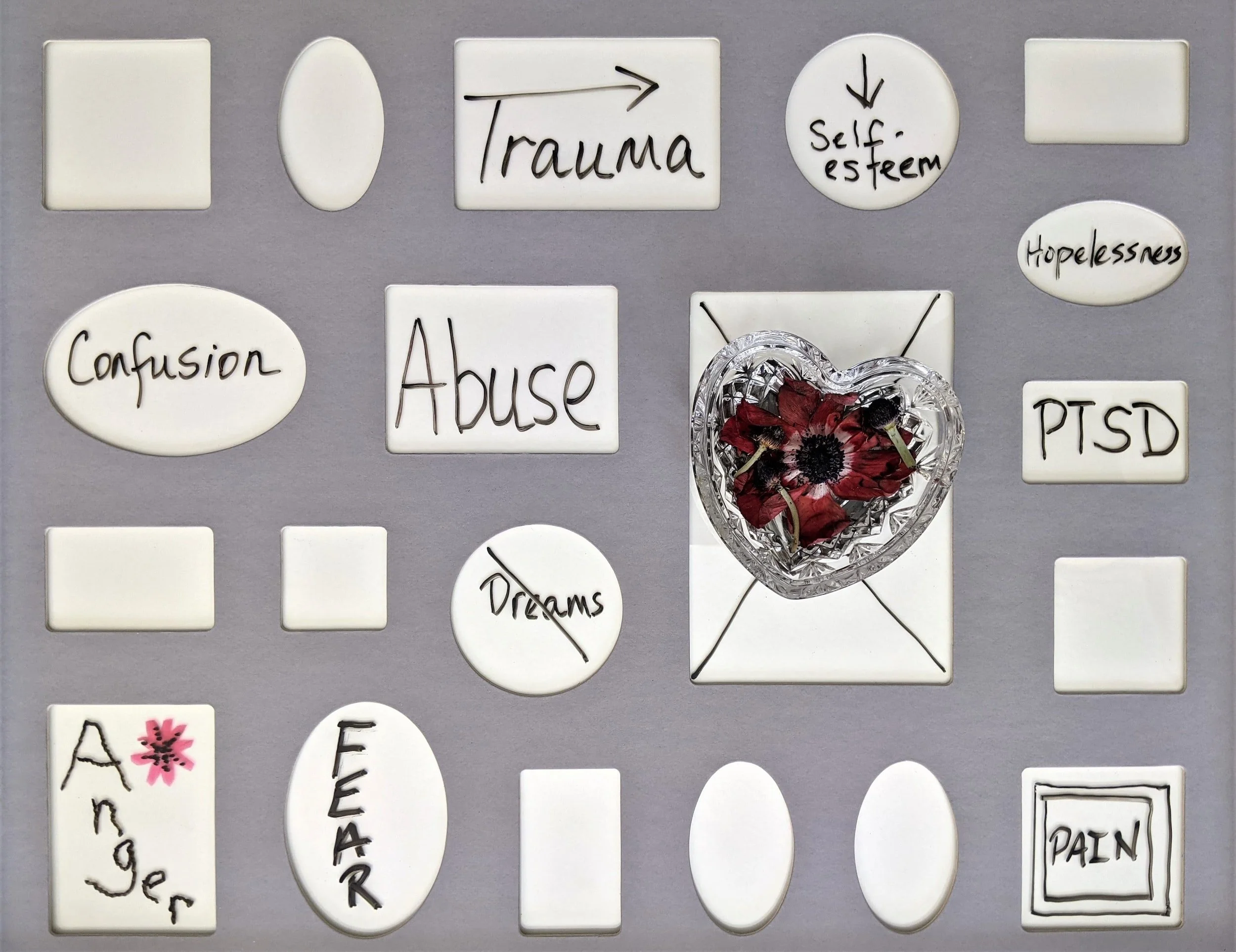
It’s well known that traumatic experiences most certainly affect your mental health.
Even the impact of childhood experiences will have lasting repercussions in adulthood.
However, did you know that your mental health is not the only thing at risk after trauma? In fact, the effects of such life-altering events can also be found in your own body. Sometimes this only becomes apparent years afterward.
That’s why, if you know you have trauma in your past, it’s important to look for how it is affecting your body, not just your mental health.
The Link Between Childhood Trauma and Health
In the 1990s, the question of the connection between childhood trauma and physical health was studied by Dr. Vincent Felitti and Robert Anda. They used data collected by Kaiser Permanente for the project. In their study, they examined 17, 421 individuals in which they asked questions regarding any abuse experienced in childhood, as well as any risk-factors they may be currently be exposed to (such as smoking or drug abuse). The results were startling.
Those who had scored higher for traumatic experiences in their youth were more likely to have health problems such as COPD or heart disease. This was a much different finding compared to those who had few to none traumatic experiences. The research was eventually known as the ACE Study, short for adverse childhood experiences.
Fibromyalgia and Trauma
Another study used a different population to examine childhood trauma and physical problems in adulthood. Research, published in 2010 in the journal Clinical and Experimental Rheumatology, studied Holocaust survivors. In this study, the researchers compared survivors who had been children living in Nazi-occupied Europe with contemporaries who had not experienced the Holocaust. The study found that these, as adults, these survivors had more than twice the chance of developing fibromyalgia compared to the control group.
The Connection between the Mind and the Body
In western society, the mistake is often made that the mind and body are separate from one another. Yet, the opposite is true. What affects the mind can have a big impact on the body, and vice versa. Your body knows when something is wrong and wants to correct the problem. It naturally takes steps to cope with the stress that you are experiencing. However, you may consciously miss the signs of what’s happening. The result then, is that you don’t get the help you need. Over time, this results in chronic medical problems that can greatly impact the quality of your life. This is often true if you are a trauma survivor that has been diagnosed with heart disease or even chronic pain.
How to Cope with Trauma and the Body
There are two things that you can do to address how trauma impacts your body.
Seek out professional help from a therapist who understands trauma. You will need someone experienced who has studied trauma well. Additionally, be sure they are a safe outlet for discussing very sensitive issues. Even though it may be very hard to think back on memories you’d rather forget, it’s essential for your healing process.
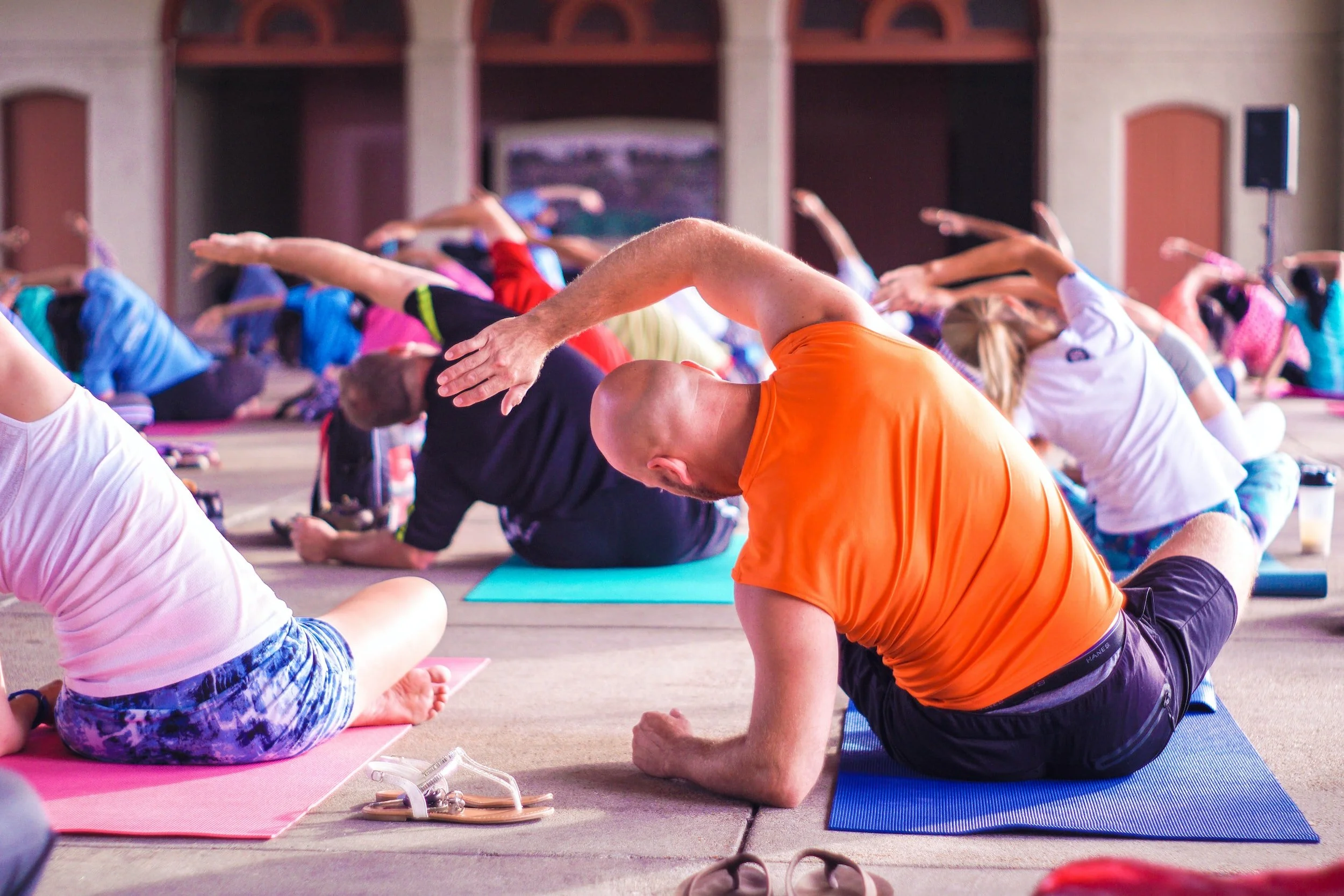
The second thing that you can do is to take care of yourself. Try to reduce or eliminate other forms of stress in your life. Use relaxation techniques, eat healthy, exercise, and get plenty of sleep. Your body has an amazing capacity to heal, but you will need to give it plenty of support.
The reality is that childhood trauma is not something you can easily “get over” without professional help. Sadly, too many people not only grow up under terrible circumstances but must deal with the repercussions of traumatic events for years or decades afterward. If you experienced trauma as a child, know that it is still possible to find healing. Working with a therapist and taking care of yourself are two important steps towards finding relief.
Click to learn more about trauma counseling and treatment with Naomi Casement - LMSW.