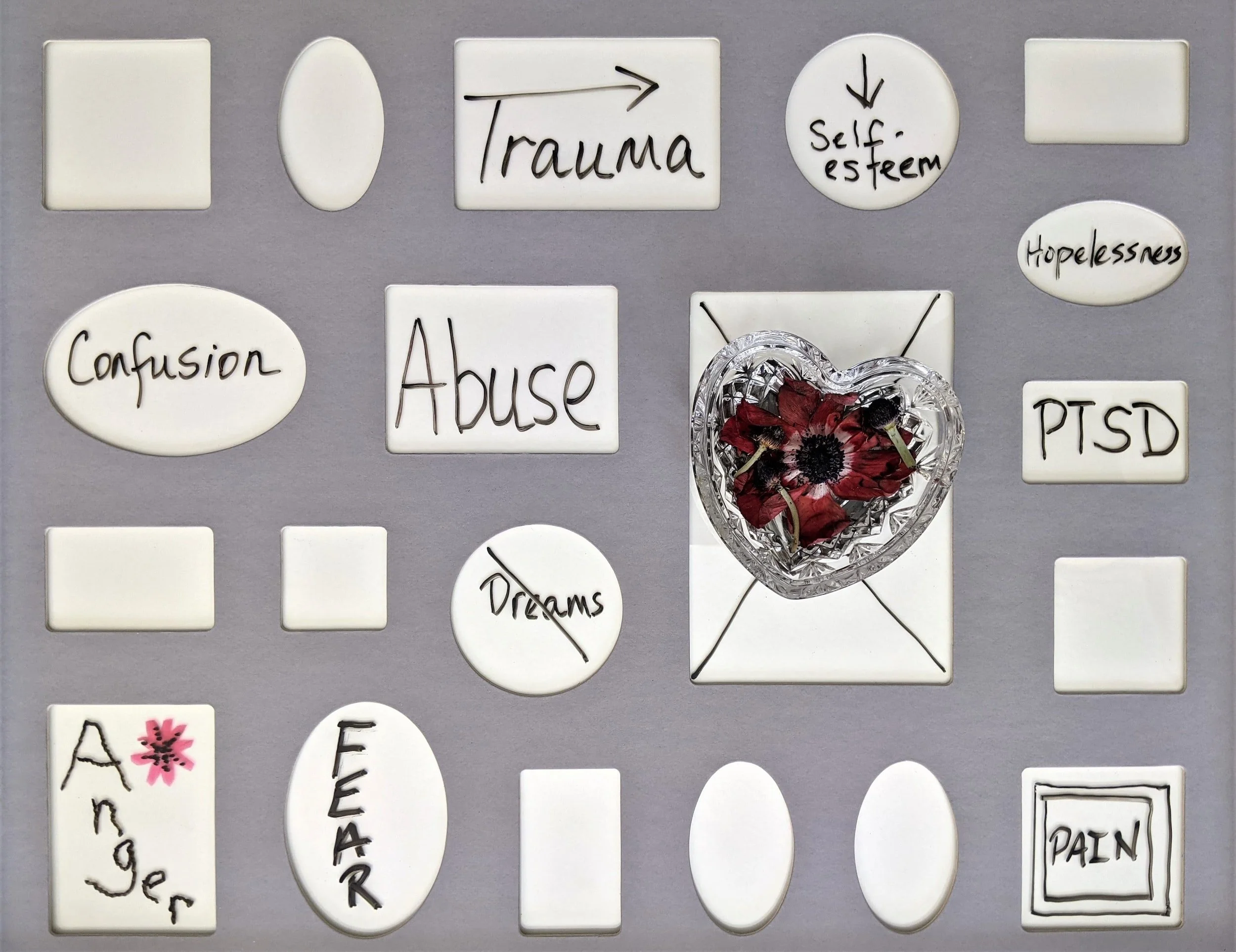
It can be hard to see a friend or family member struggling with a difficult life situation, including trauma. However, due to the way symptoms of trauma can manifest, you might not immediately recognize the signs. Being able to look deeper can help you better understand what your loved one is going through and provide the support they need.
What is Trauma?
Trauma is defined by the American Psychological Association (APA) as:
“An emotional response to a terrible event like an accident, rape, or natural disaster.”
Many people have been through traumatic events in their lives, but may not realize it, even with close family members. Therefore, we have to look at the signs displayed in order to connect the dots.
Signs of Trauma: Emotions
There are a lot of emotions that indicate that someone is struggling with trauma. According to the National Institutes of Mental Health, these include:
sadness and depression
feeling worried or anxious
a feeling described as being, “numb”
being irritable, cranky, or angry.
fear
On the surface, these emotions might not lead a person to believe that he or she has experienced trauma. Yet, these are signs of trauma that should not be ignored as simply unpleasant, as they can be indicators of something much deeper.
Signs Of Trauma: Actions
Another way to determine whether a loved one is struggling with trauma is to assess their actions. Certain behaviors can be signs of trauma. Such as:
Isolation
Avoiding certain places, things, or events that are reminders of the trauma
Lack of interest in things, especially with things or activities that once gave them joy
Difficulty remembering the event
Edginess
Trouble sleeping, either not sleeping enough or too much
Having angry outbursts
Nightmares
Children can experience trauma too, and my display signs such as bedwetting or beingclingy to parents.
Signs of Trauma: Not Being Present
People who have trauma and have not received help may seem like they are not present. Although they may be physically with you, mentally they are actually back at the traumatic event. Much of the behavior people with trauma display is caused by their reliving the trauma and never feeling safe. For example, a soldier who has been through combat may constantly relive the war in his head, causing post-traumatic stress disorder (PTSD).
Signs of Trauma: Physical Symptoms
Physical symptoms can also be present in a person with trauma. These might be:
headaches
nausea
fatigue
pain
There may also be physical problems that you can’t see, such as brain damage after surviving abuse or an explosion.
Signs of Trauma: Unhealthy Decisions
Someone who has been through a traumatic event or events may also be prone to making life choices that aren’t healthy. Drug and alcohol abuse are two indicators. Another is taking risky actions, such as driving while under the influence. Sometimes the feelings of sadness and depression associated with trauma can be so great that a person considers or actually commits suicide.
Getting Help For Loved Ones with Trauma
Once determining signs of trauma, seek out professional support for your loved one. A therapist who is trained in trauma therapy can work with your family member or friend. Together, they will get to the source of their trauma, process the feelings and emotions, and help find a resolution. Some specific tools that can be used in a therapy session include:
Cognitive Behavioral Therapy (CBT)
Eye Movement Desensitization and Reprocessing (EMDR)
Internal Family Systems (IFS)
Guided Imagery
Holistic approaches such as yoga, meditation, mindfulness, and nutrition.
Helping someone with trauma means knowing what to look for. By identifying the signs of trauma, you can help your loved one get the help they need, move past those terrible events, and live a richer, fuller life in the present.
Click to learn more about Sex Addiction Therapy and Treatment with Naomi Casement, LMSW.