I can't believe I have been betrayed by my partner. Now what do I do?

You had an established belief and definition of what your relationship with your partner was, only to find that your partner has been living a secret life. Now, you are left in shock with feelings of desperation and confusion. Most likely, this event was traumatic for you. Trying to maintain a platform and decide how to handle this new found reality is your greatest need, now more than ever before.
When individuals discover their partners’ secrets and betrayals, they are literally stopped in their tracks emotionally. They feel that they have been lied to and cheated on. As soon as they discover the truth, they begin to mentally review their entire relationship, wondering if anything about their relationship is true. Betrayed partners often ask themselves: Is there any possibility that I can re-establish a trusting relationship with my present partner? How can I get over this? Can I recover from this deep pain? Where do I go from here?
What Reactions Can You Anticipate?
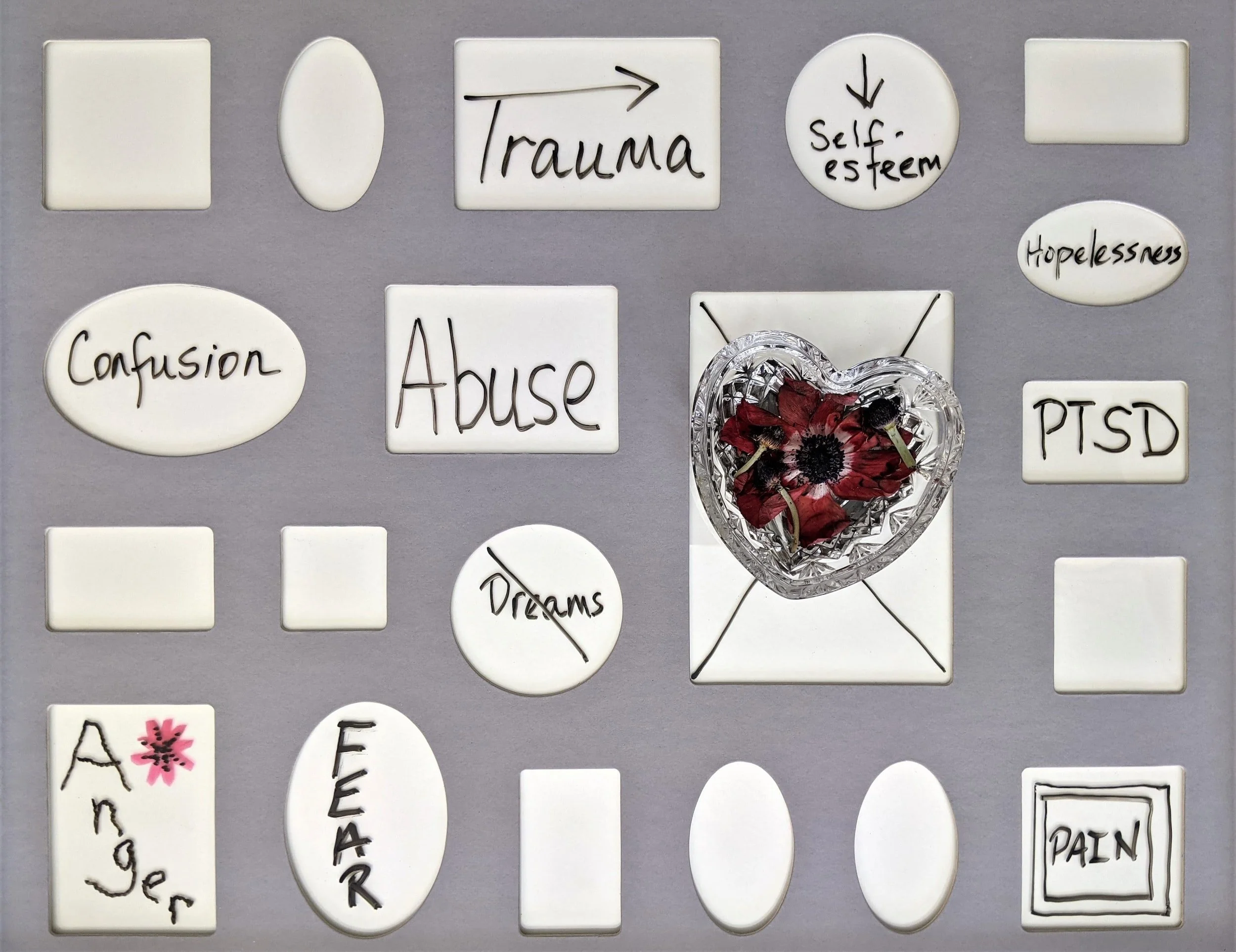
When you initially discover your relationship is not what you believed it to be, you feel like the rug is being pulled out from under you. You may have found disturbing email messages, a history of pornography sites and chats or learned that your partner has been with someone else. Believing that you have been living in a lie because of your partner’s behaviors causes a variety of negative emotions to arise. Your whole livelihood is on “emotional overload.” Anxiety and fear cut into your core as you are experiencing a reaction to shock.
Shock is your body's way of protecting you. The emotional overload becomes too much to handle, so you begin to feel as if you are in a fog. This fog is numbing, but it allows you to be able to slowly process what is going on when everything feels bad and overwhelming.
It is not uncommon that people feel a wide range of emotions during this time. One minute the betrayed person feels depressed and devastated and the next minute they experience intense anger. This rapid shifting of emotions makes them think they are “crazy,” when they are not. It is not pleasant for any of us to feel instability. These are normal reactions to a traumatic event.
The process that the betrayed partner is going through is a “grief and loss” process. Dr. Elizabeth Kubler Ross discovered this process in her work with chronically ill people. She identified five stages that people go through in all types of traumatic experiences. The five stages of grief are denial, anger, bargaining, depression and acceptance. She recognized that people will move back and forth through their process of these stages before they reach a steady and full acceptance. One may even experience some of the phases simultaneously. This is all part of the “grief and loss” process. In the case of a betrayed partner, he or she has lost trust and the definition of his or her relationship.
Where Do You Go From Here?
First and most importantly, begin to take the steps to care and nurture yourself. You are not alone, even though it feels that way. Many people have experienced similar situations. They have made it through this traumatic event and emerged a much stronger and emotionally mature individual.
Next, build a solid support system with friends and family – people who you feel safe in sharing some of your experiences with. These need to be people who you know will not gossip or pass judgment on you.
Another important step you can take is seeking out professional help from a therapist experienced in treating individuals who faced traumas from betrayal and infidelities. A trained therapist in this area is invaluable. He or she can help you understand what you are going through, guide you to move through this grief process and help you to find a new, more positive path – no matter if you decide to stay in the relationship or not. Many people decide to stay in their relationships and achieve positive results by creating a real definition of their marriage and share a much stronger bond than they ever imagined.
Community support groups and engaging reading material can also help you move through your stages of grief. When you attend community support groups, you may, at first, feel very intimidated. However, sticking with a group for more than one session can prove to be a great lifeline during this time when you feel so alone and confused.
Making any radical changes in your life at this time such as seeking to end your relationship may not be the best decision at this point. Give yourself time. Focusing on your personal well-being is the most important aspect of your recovery. As you continue to heal, you may feel completely different about your relationship. No matter the extent of your pain, you will establish a positive foundation for yourself. Remember that you are important and will move forward in life with resilience.
Click to learn more about marriage counseling and treatment with Naomi Casement - LMSW.