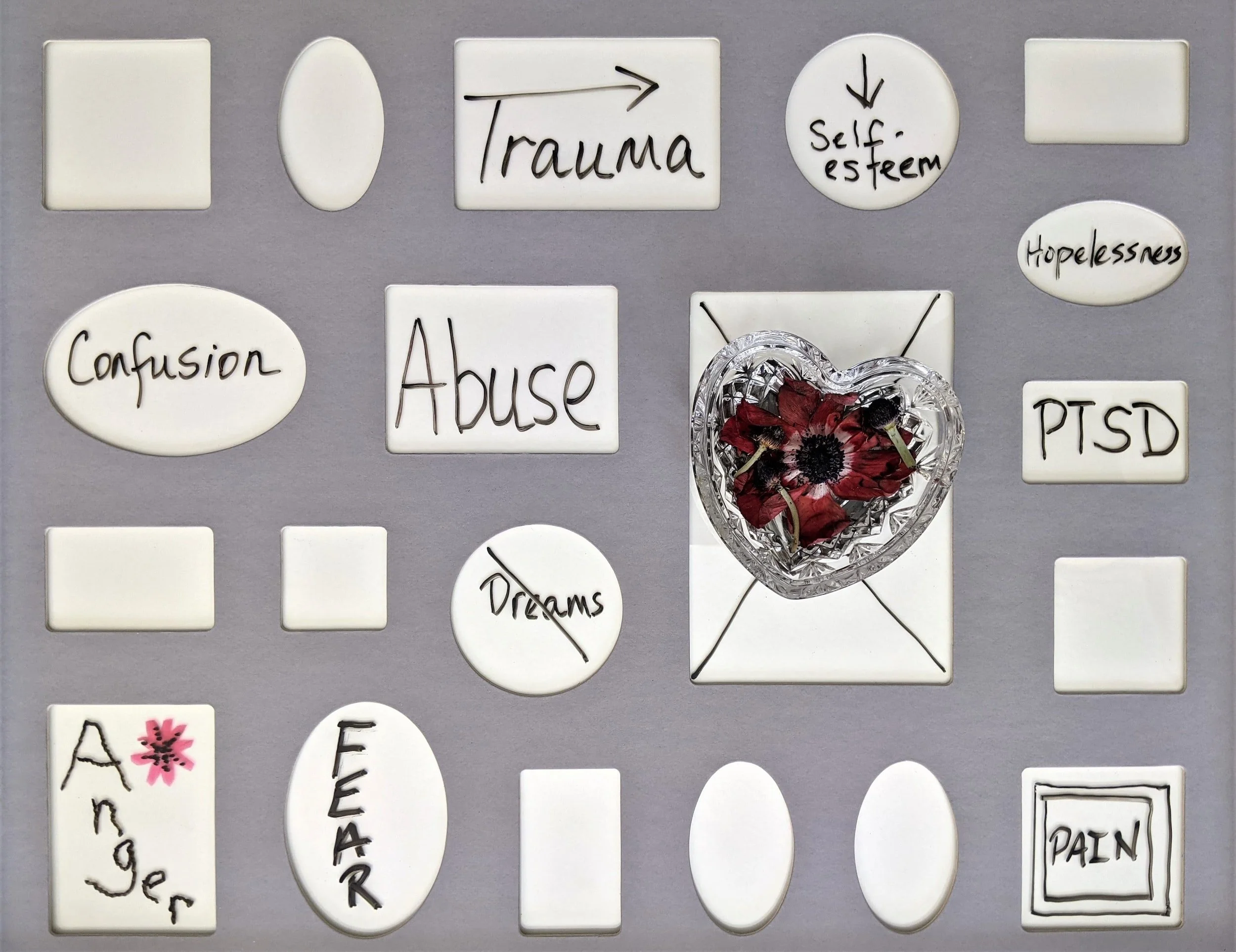
Have you ever confused shame and guilt? Has there ever been a time in your life where you felt “bad” and used those words interchangeably? Shame and guilt are commonly used terms in our vocabulary, but do we truly understand their meaning?
It turns out, shame and guilt have very different meanings leading to very different outcomes.
What is the Definition of Guilt?
According to the online version of the Merriam-Webster dictionary, guilt can be defined as:
“responsibility for a crime or for doing something bad or wrong.”
“a bad feeling caused by knowing or thinking that you have done something bad or wrong.”
The key takeaway for guilt is that the emotion is connected to a particular action or event. For instance, a child breaks something that their parents value. The child may not be able to completely identify the emotion, but we, as adults, would recognize it as guilt.
The child does know that they have done something wrong, but they don’t personally feel that there is anything wrong with them as a person. Eventually, they will move past their guilt and continue on with their lives, hopefully learning an important life lesson about responsibility.
What if the Definition of Shame?
Again, referring to the Merriam-Webster dictionary, shame can be defined as:
“a feeling of guilt, regret, or sadness that you have because you have done something wrong.
“ability to feel guilt, regret, or embarrassment.”
“dishonor or disgrace.”
Although shame can include elements of guilt and similar feelings, it is an emotion that goes much deeper. The third component, “dishonor or disgrace,” is of particular note. It implies that there is something fundamentally wrong with you. This quality lacks redemption or the idea that there is any chance of making things right.
The Burden of Shame
Someone who feels shame might be a person struggling with drug addiction who has done things that hurt other people, especially the ones they love. Even if they found sobriety and are back on track, shame can still persist. It is a heavy burden to bear, believing that no matter what you do, you are inherently flawed. Shame thus, is different from guilt. It is not a temporary feeling or one rooted in a particular act. Shame is derived from multiple events in one’s life that, combined together, define who a person believes he or she is.
The Consequences of Shame
Beliefs like shame can cause people to drift towards depression. To cope with their feelings, someone may use drugs, alcohol, or other means to manage. Unfortunately, these acts only contribute to the shame. It’s a vicious cycle, and for some, the only way they feel they can escape is to do something drastic, such as suicide. This is a permanent and tragic solution for a state of being that is completely reversible.
How to Break Free of Shame
Shame isn’t a state of mind that lets go easily. It is a deeply rooted emotion, based on your perception of who you are as a person. However, there are ways to break free of shame. For instance:
Reach out to a family member or friend who is willing to listen.
If struggling with substance abuse, attend a support group meeting.
Participate in a program such as Alcoholics Anonymous or Narcotics Anonymous.
If you don’t have substance abuse issues, reach out to positive groups of people where you feel safe. These can include social groups, religious organizations, sports teams, etc.
Consult with a therapist who can provide perspective, context, and a willingness to listen to your story.
As we can see, shame and guilt are two very different emotions. However, shame has more serious consequences. It is possible to break free of shame though, and finally release your burden.