By Naomi Casement LMSW, CAADC, CSAT on February 8, 2016
Have you or someone you know been diagnosed as having attachment issues as an adult? The roots of attachment disorders can reach all the way back to childhood. It is often connected to specific events in the child’s life that have an effect on emotional development. Left untreated, this can have a negative impact in adulthood.
What is Attachment?
Attachment is actually something that we as human beings do naturally, and is part of our development from childhood. Psychology Today defines attachment as: “The emotional bond that typically forms between infant and caregiver, usually a parent, is the means by which the helpless infant gets his primary needs met.”
What that means is that young children form emotional bonds with other people who provide for their needs, since babies can’t fulfill their needs on their own. Babies let us know when they have needs through their crying. Parents fulfill these needs by changing diapers, cradling, and soothing, etc. This helps the baby know that he/she is safe and will be protected.
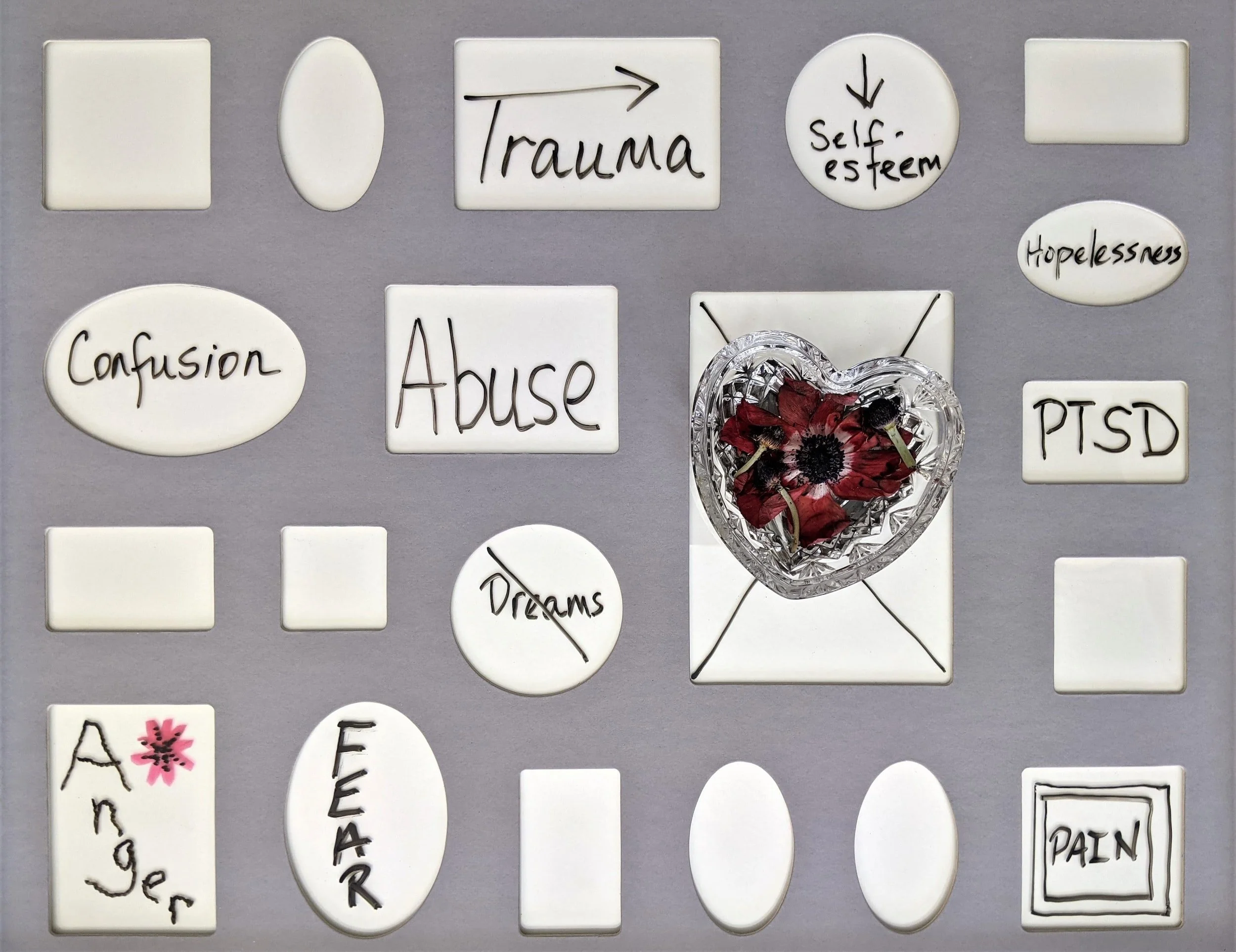
Trauma and Attachment Issues
When a young child experiences a traumatic event, the effects can be long-lasting. These events cause trauma because the bond between the child and other humans is disrupted. According to the Institute for Attachment and Child Development, some events that can cause this trauma include:
Neglect
Adoption or foster care
Maternal depression
Divorce
Death of a parent
Abandonment
Abuse
Emotionally distant parents
A painful illness
Exposure to drugs or alcohol before birth
Are any of these examples relevant for you? If so, they could be red flags that you might have an attachment issue as an adult.
Consequences of Attachment Issues
The consequence of being exposed to such traumatic events is that the brain learns coping methods to deal with the pain of the event and to avoid having to be exposed to such pain in the future. The results are that the child, and if left untreated, the adult, does not have skills to be able to handle emotionally difficult or stressful situations. They also do not have the ability to process and find genuine connection with other people through acceptance and love. This is through no fault of their own, it is simply how they have learned to interact with others.
Forms of Attachment Issues in Adults
There are several ways attachment issues manifest in adults. Dr. Lisa Firestone, Ph.D., also in Psychology Today, gives four examples:
Secure Attachment: People who are satisfied in relationships and feel secure and connected.
Anxious Preoccupied Attachment: Have an “emotional hunger” and want to fulfill that hunger by creating a “fantasy bond” that winds up pushing others away.
Dismissive Avoidant Attachment: People who create distance between themselves and others, preferring isolation.
Fearful Avoidant Attachment: Someone who is afraid to be either “too close to or too distant from others.”
Treating Attachment Issues in Adults
If you have experienced childhood trauma and are struggling to form positive relationships as an adult, you might want to seek help. One strategy is to undergo trauma therapy. This can help to resolve the trauma that is at the root of your problems and to find some resolution. Specific techniques include:
Eye Movement Desensitization and Reprocessing (EMDR)
Cognitive Behavioral Therapy (CBT)
Internal Family Systems (IFS)
Meditation
Guided Imagery
Yoga
Having an attachment issue isn’t easy, and it can be hard to have the ability to feel safe in relationships. However, you can overcome it by identifying traumatic events from childhood, reviewing how you form relationships as an adult, and seeking treatment. This can help with resolving your trauma, and finding better tools to handle human relationships as an adult.
Click to learn more about marriage counseling and treatment with Naomi Casement - LMSW.